

If You Want to Survive, You're Going to Want Some Good Roots
I'm working on it.

Many of us have spent our entire lives trusting a public health infrastructure that cared about people. Now, it’s falling apart. The head of that infrastructure now humble-brags about snorting cocaine off toilet seats, explaining how he’s not scared of germs because there’s worse things out there. In fact, it’s not really falling apart. It’s getting ripped apart, with astonishing speed. Meanwhile, celebrities go on latenight talkshows and joke about spreading infections.
Of course, what we’re witnessing is a decade in the making. Now we’re just as likely to catch a deadly, debilitating disease from any healthcare setting as we are to get any kind of treatment, assuming we can afford it.
Sadly, this problem will only get worse.
Anyone who studies collapse, prepping, or survival should know that illness and disease pose an even bigger threat than disasters. In fact, disasters like storms and floods are so deadly because they introduce disease. They make it incredibly difficult to get proper medical help, even from a functional system. So we’ve really got multiple problems converging: more disasters, and a government structure that is neither capable nor interested in helping most of us.
So, what can we do?
There’s good news.
For the last week, I’ve been digging deeper into wild plants, weeds, and herbal medicine. I’ve written about this topic before, but I’ve been astonished at what else I’ve discovered. We have all kinds of plants at our disposal that can treat viral and bacterial infections. They can treat chronic conditions. They can help manage high blood pressure, even diabetes. They can help reduce brain inflammation, even regenerate nerve cells. Some of them can treat wounds, even help slow or stop bleeding. This isn’t woo. This isn’t Dr. Oz miracle cure nonsense. It’s steeped in traditions thousands of years old.
It’s often backed by science.
We’re going to get the most we can out of what little remains of our healthcare system and the institutions of medical science. Maybe one day, we’ll get to rebuild them. For now, I think it’s awfully smart to put our smug attitudes aside and learn all we can about the remarkable plants in front of us. And I don’t have to sell you any supplements. You can forage this stuff yourself. You can plant and grow it yourself. You can make it yourself, for little or no money.
Herbalists and herbal enthusiasts are easily written off for a variety of reasons. As great as medical science has been, it has a major blind spot when it comes to plant-based medicine. It’s ironic, given that many of our prescription medicines are actually derived from… plants.
Any community or unit of survival would be lucky to have a dedicated herbalist, someone who studies, grows, and prepares these herbs. Some of them take years to grow, so I would get on that now. I’ll be updating and expanding this part of the guide before the final print version, but I’ve got a lot done, and I’m going to share it. If you have information, please feel free to add what you know.
This knowledge exists, but it’s scattered. Even some of the best books out there can still be confusing at times, and they don’t explain everything. So I’m trying to gather, compile, synthesize, and simplify. This won’t teach everyone everything about herbs, but it’s a great place to start, and it will (I hope) help people.
What you’re seeing is a draft, but it’s not bad.
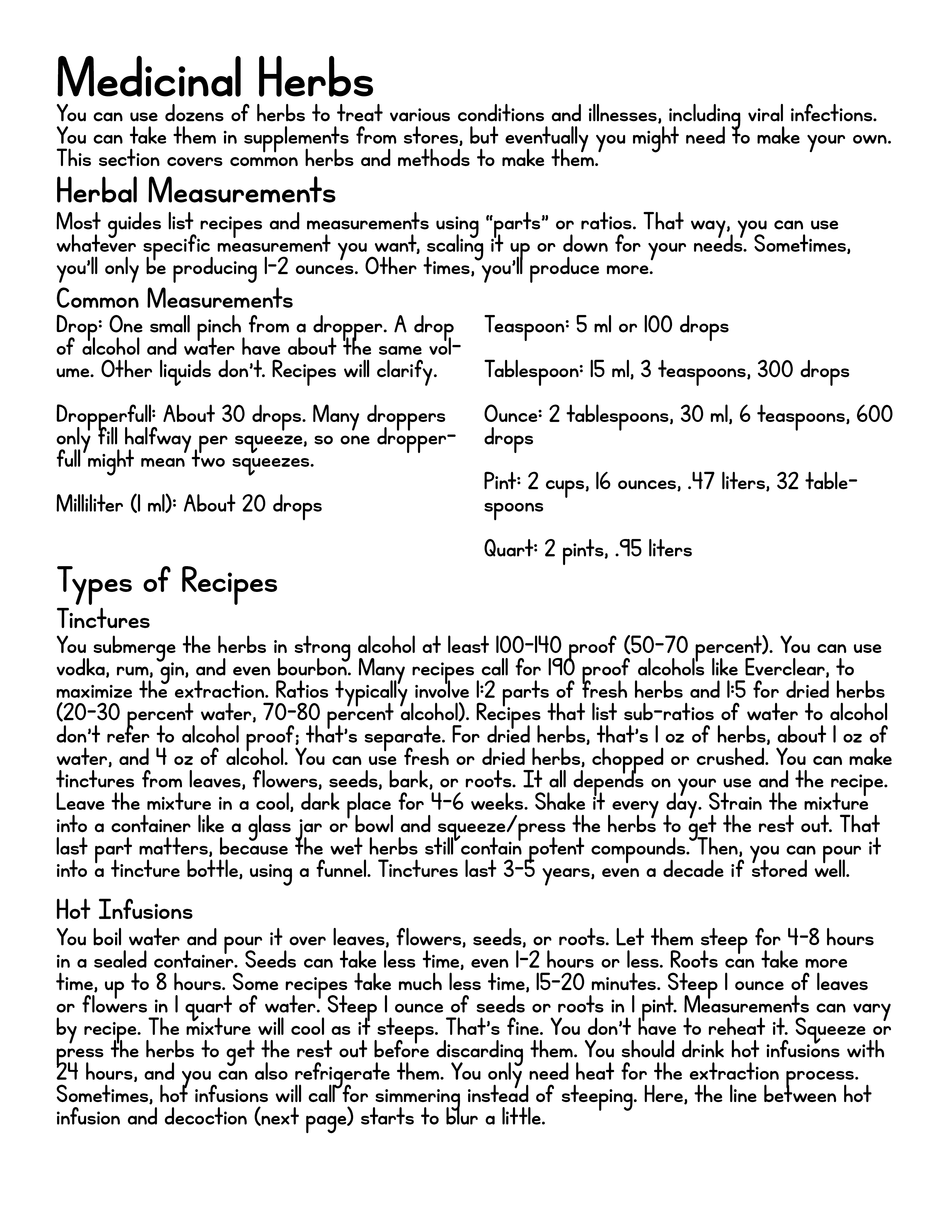
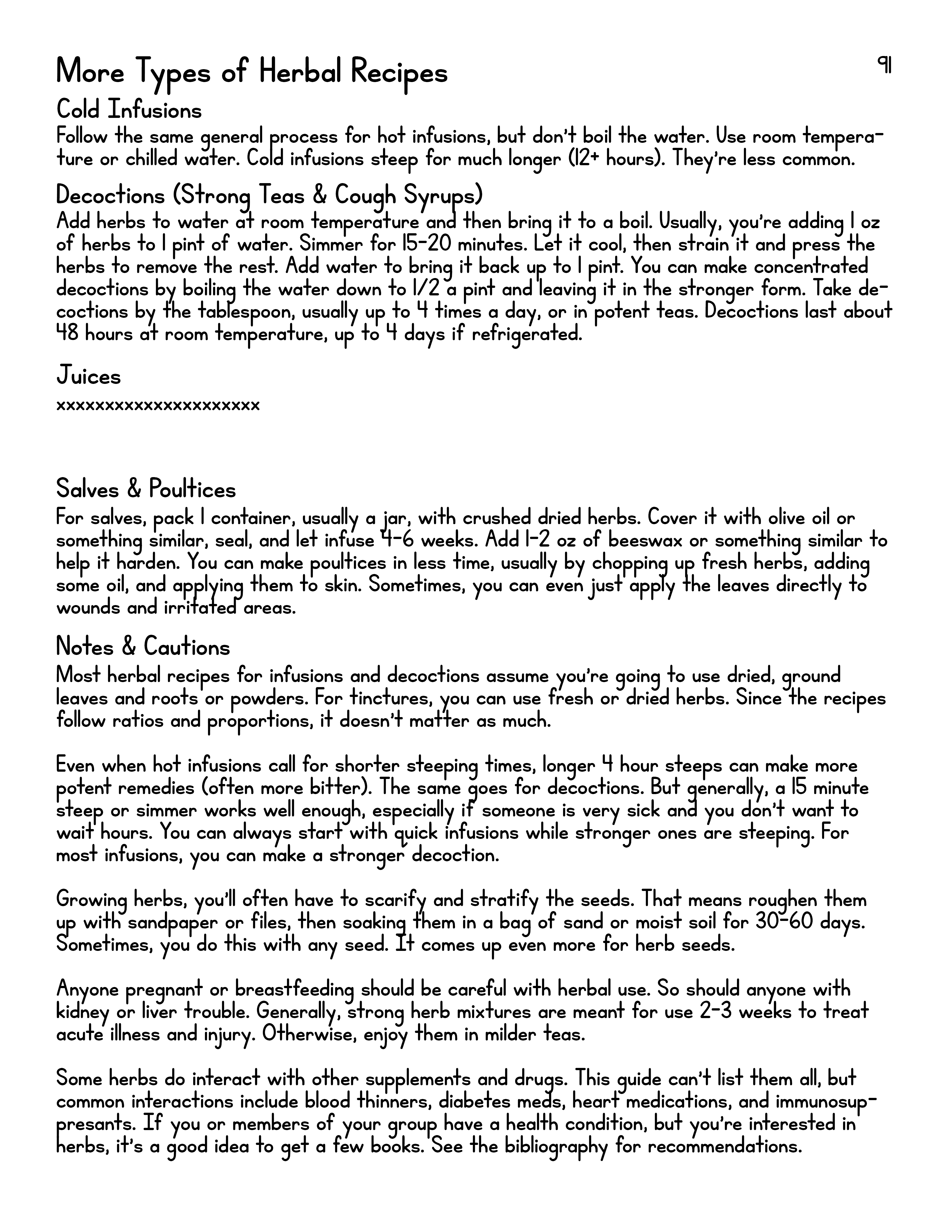
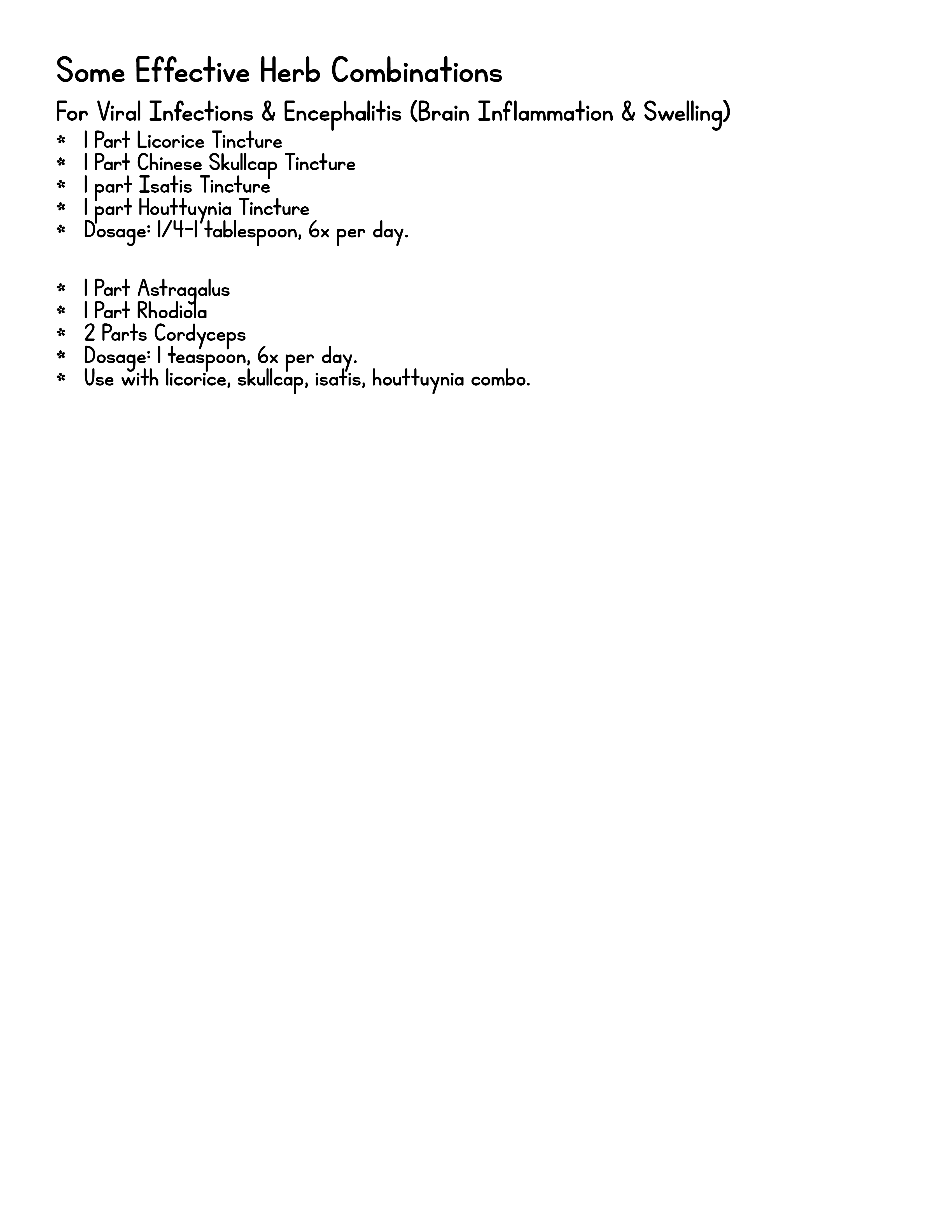
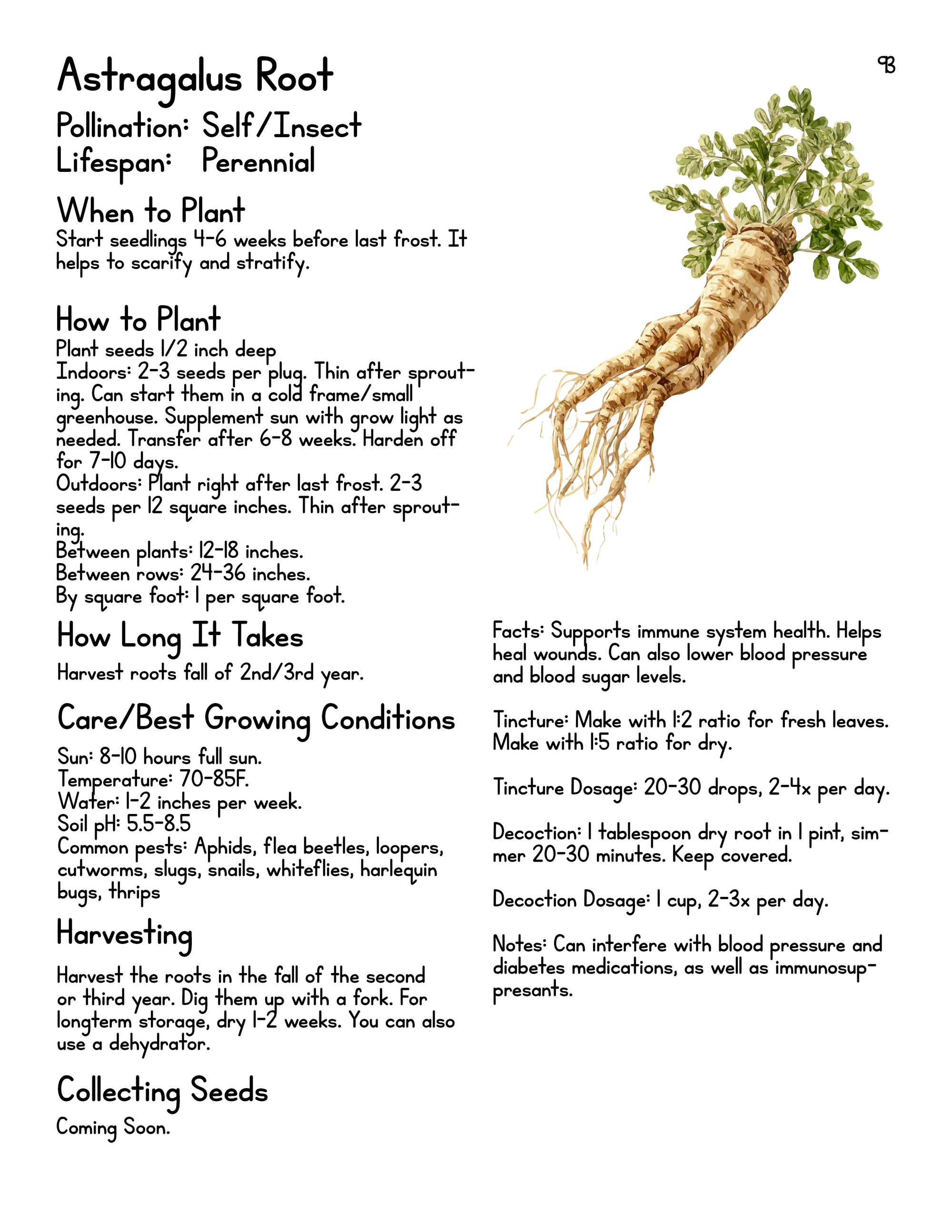
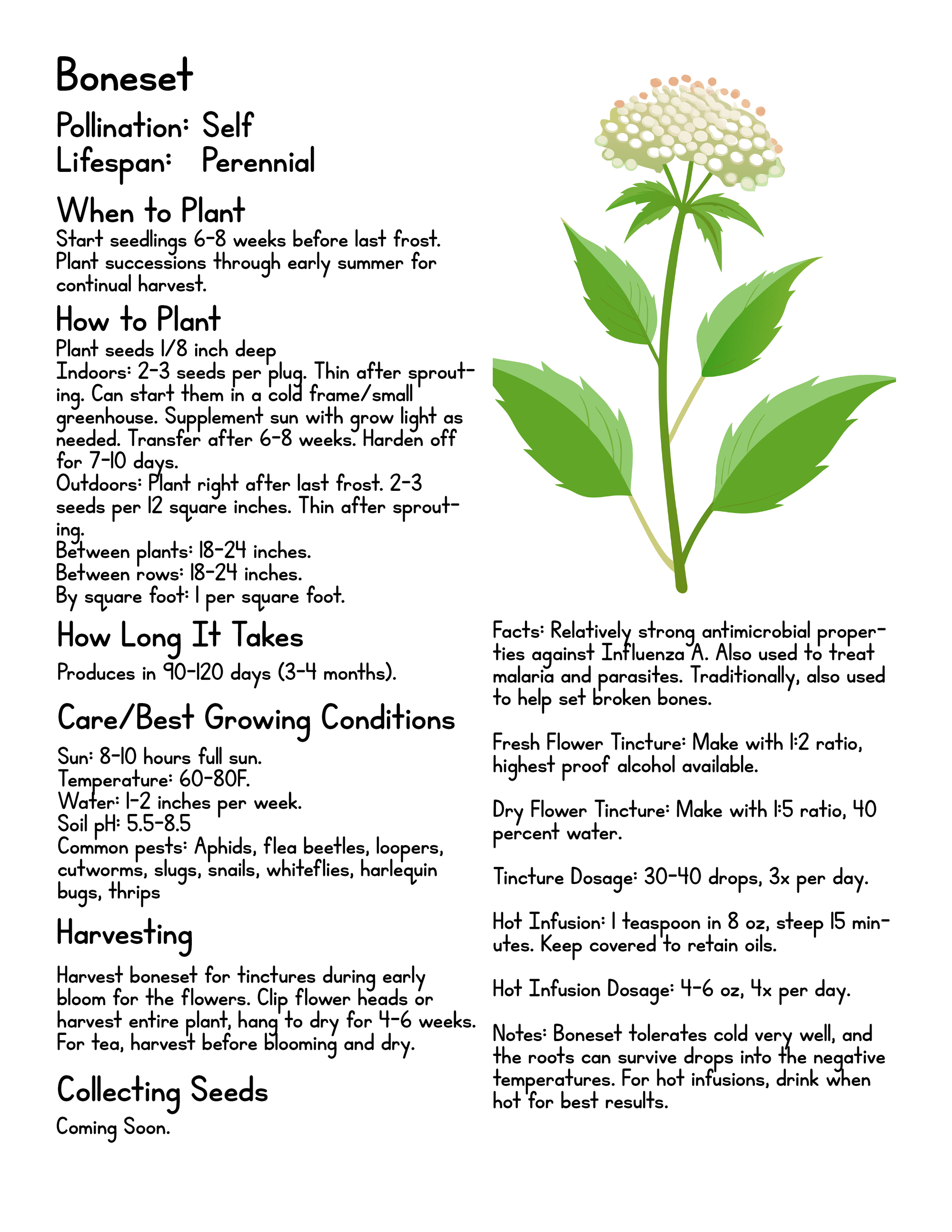
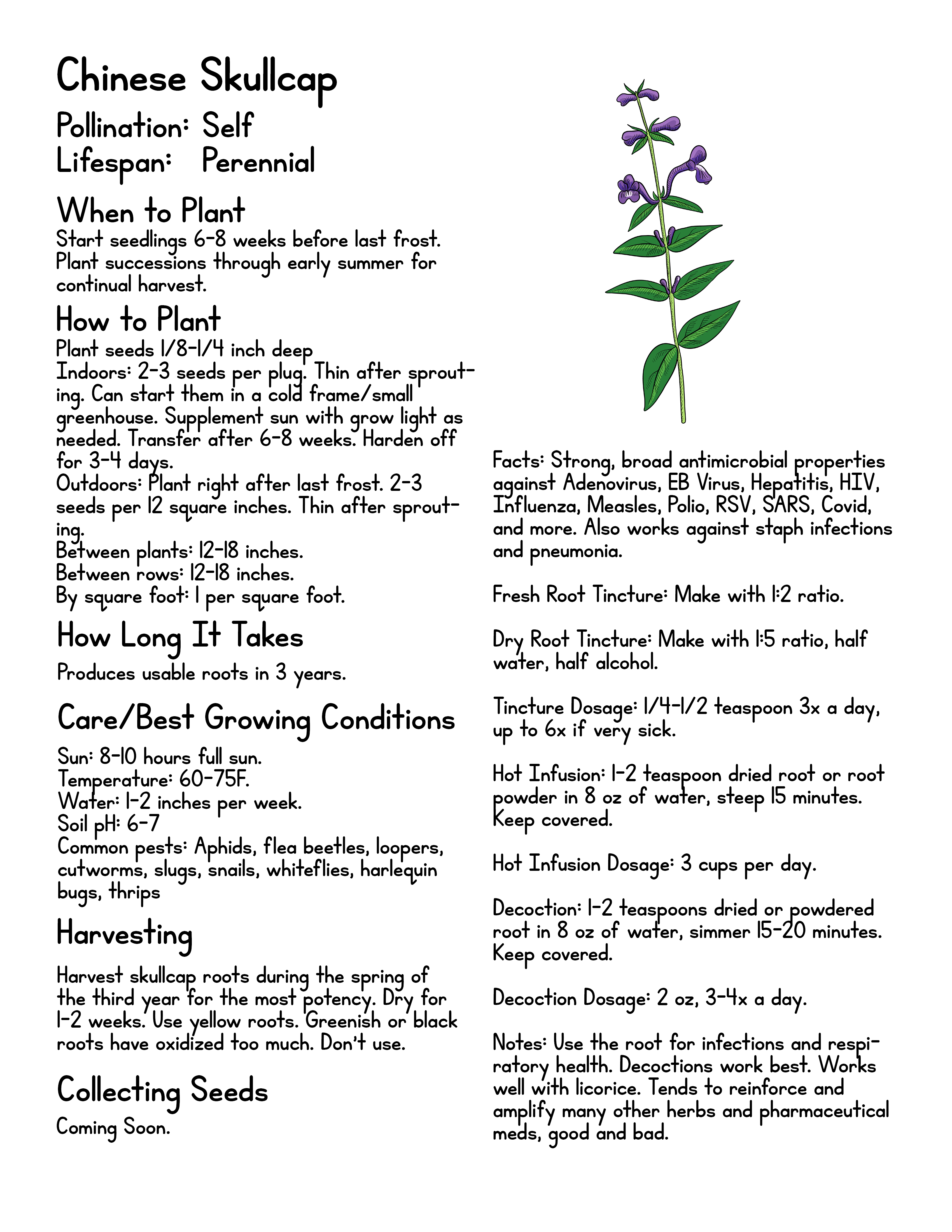
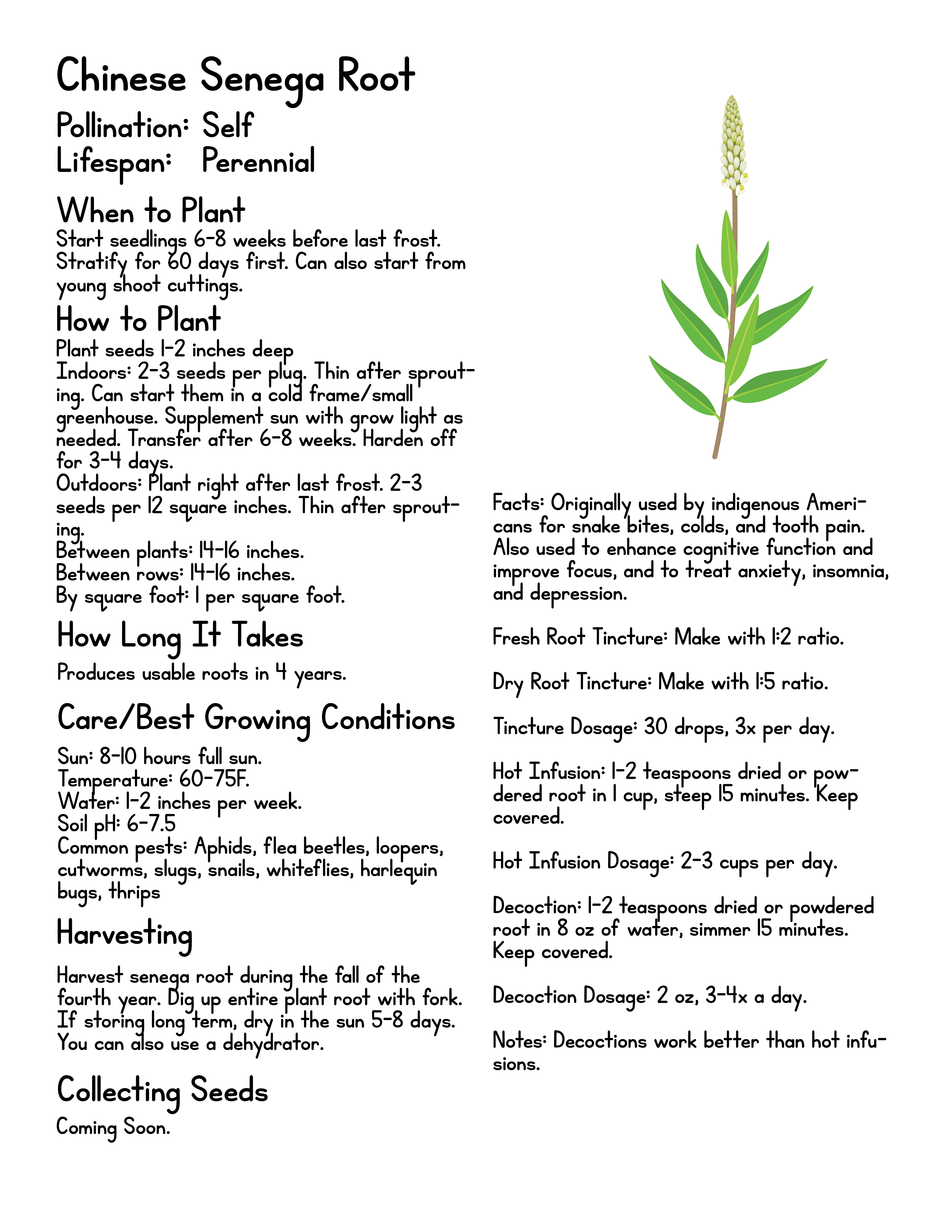
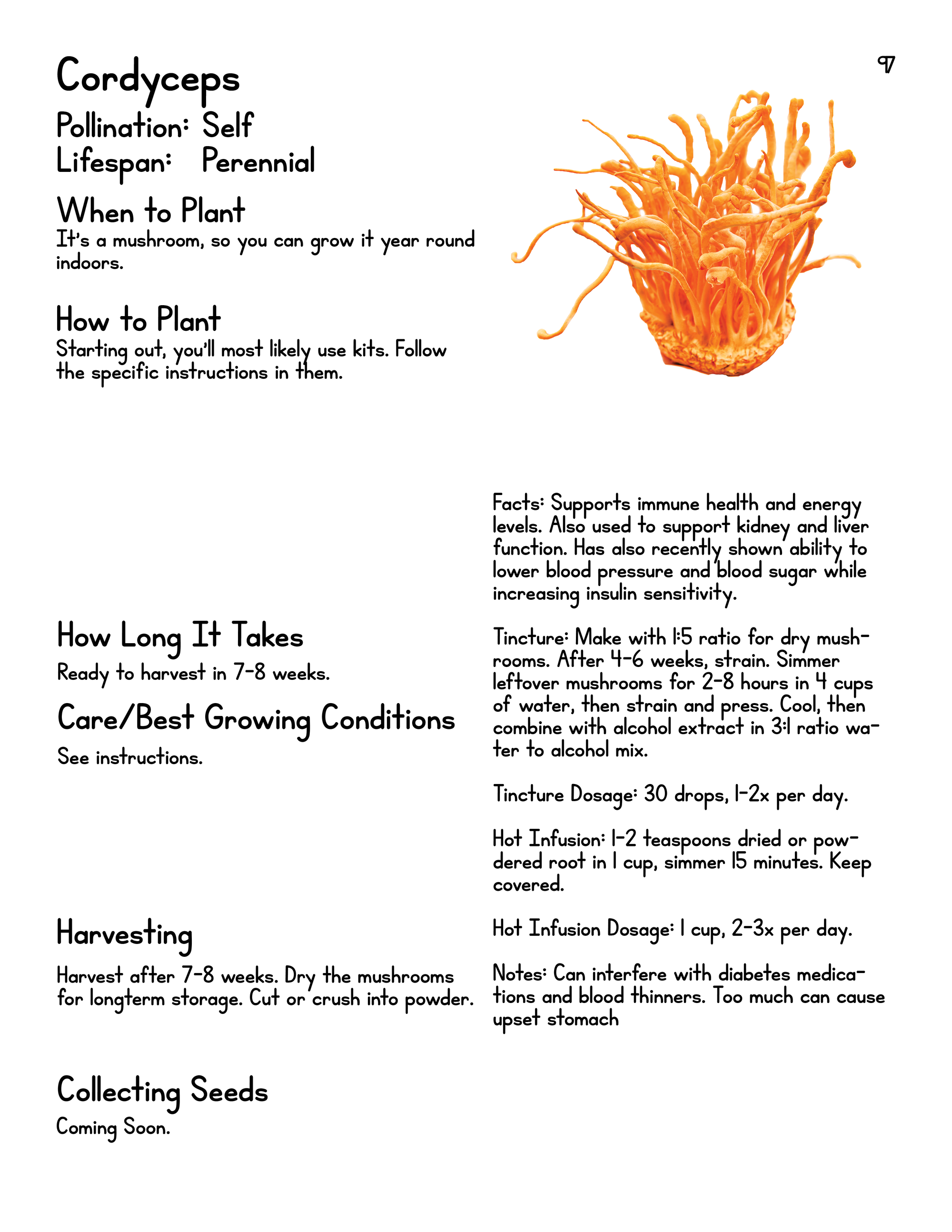
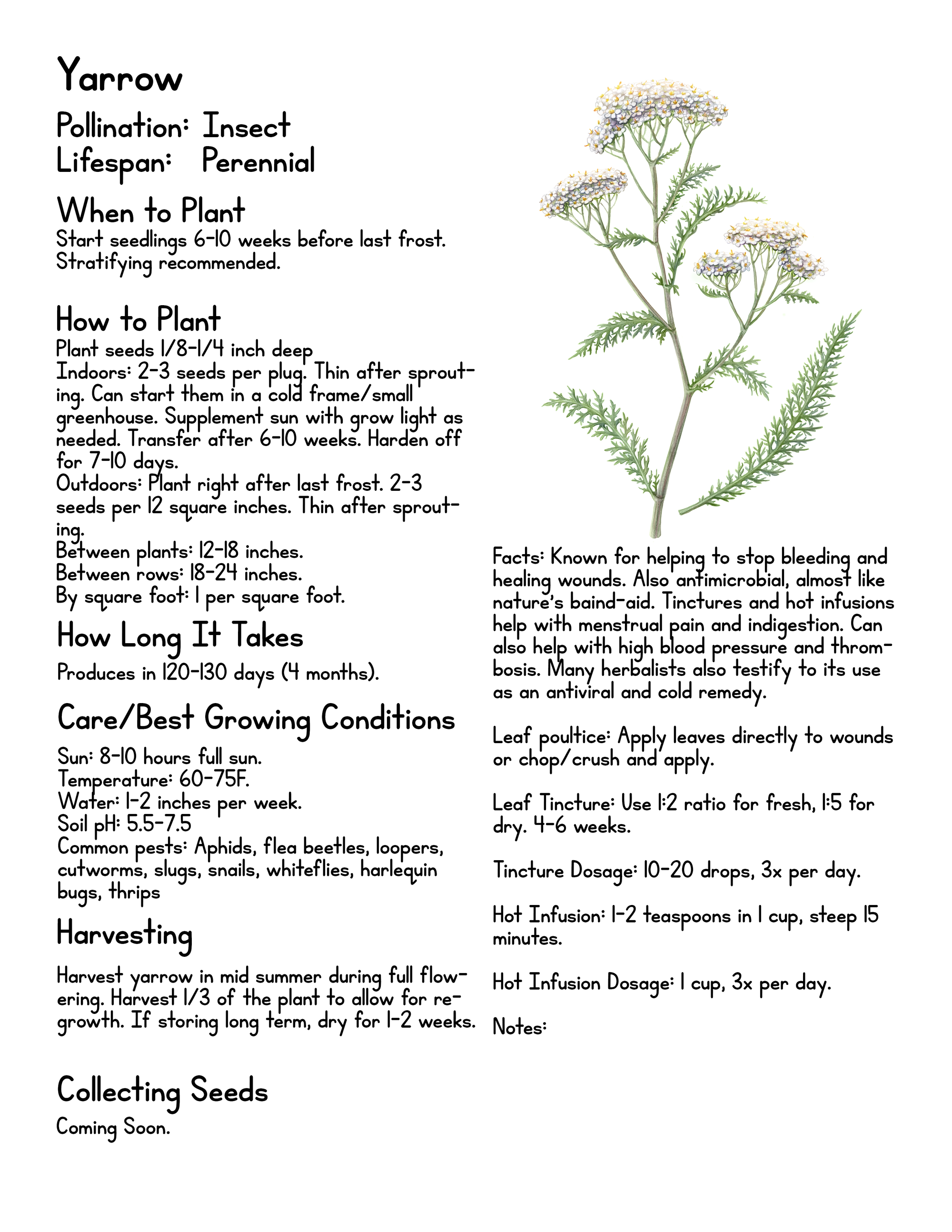
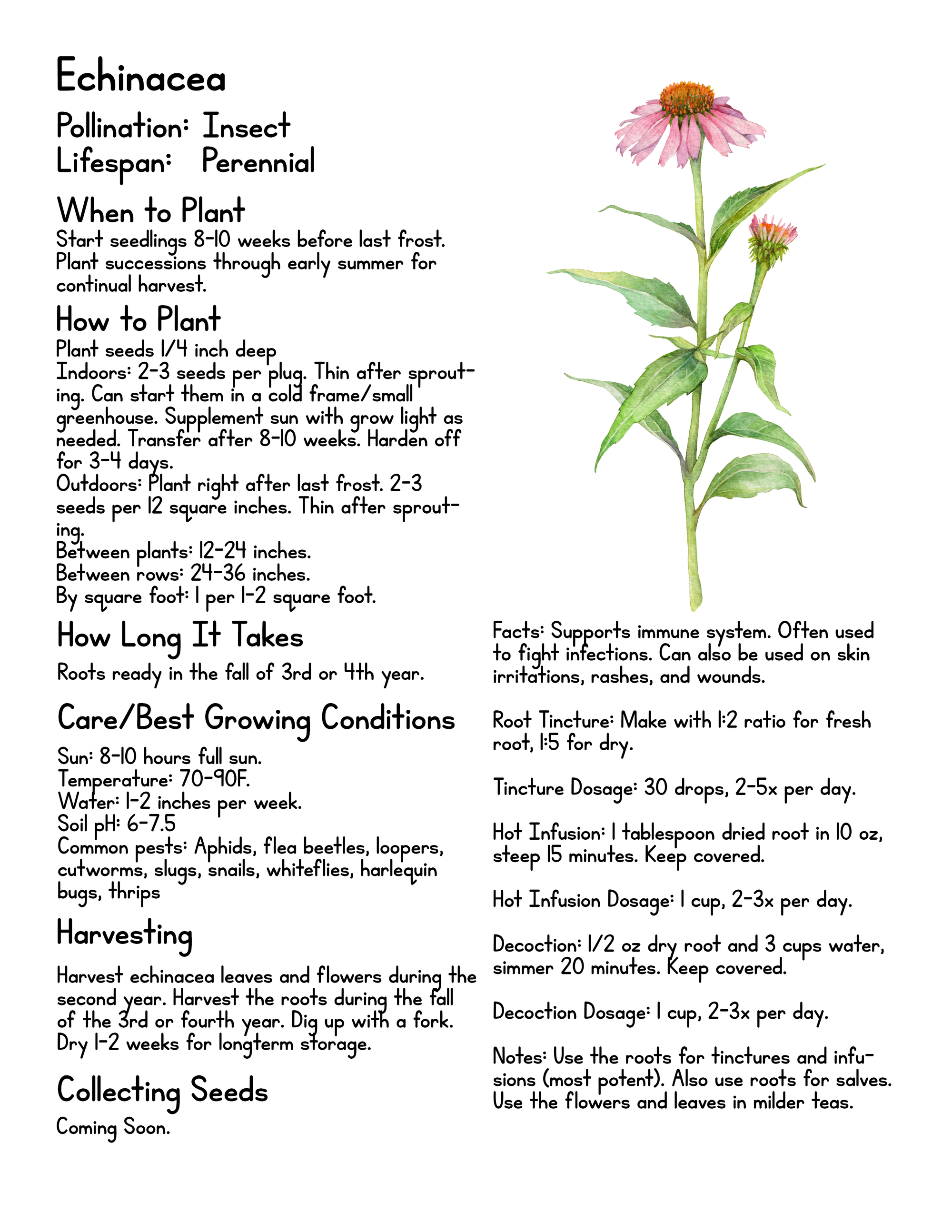
Here you go:
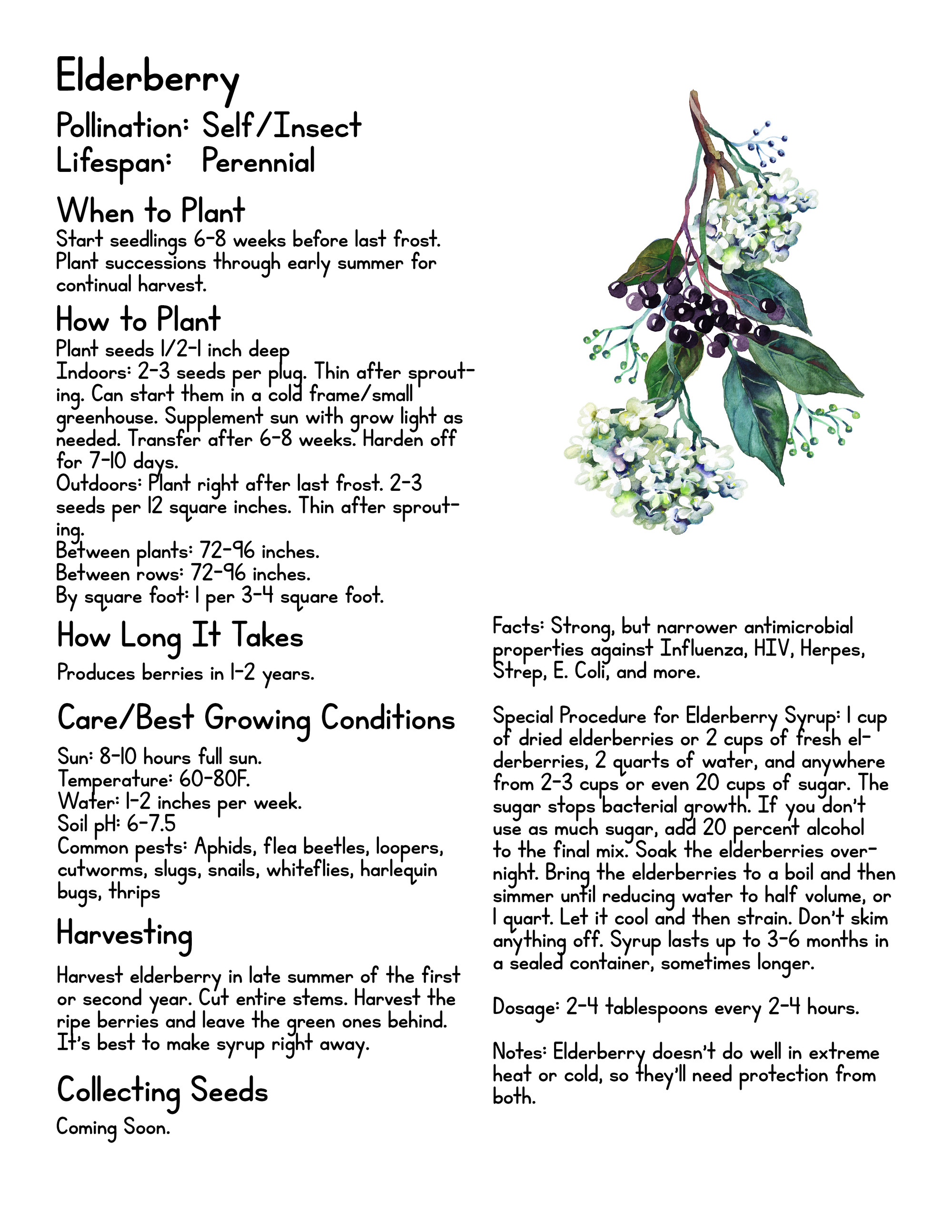
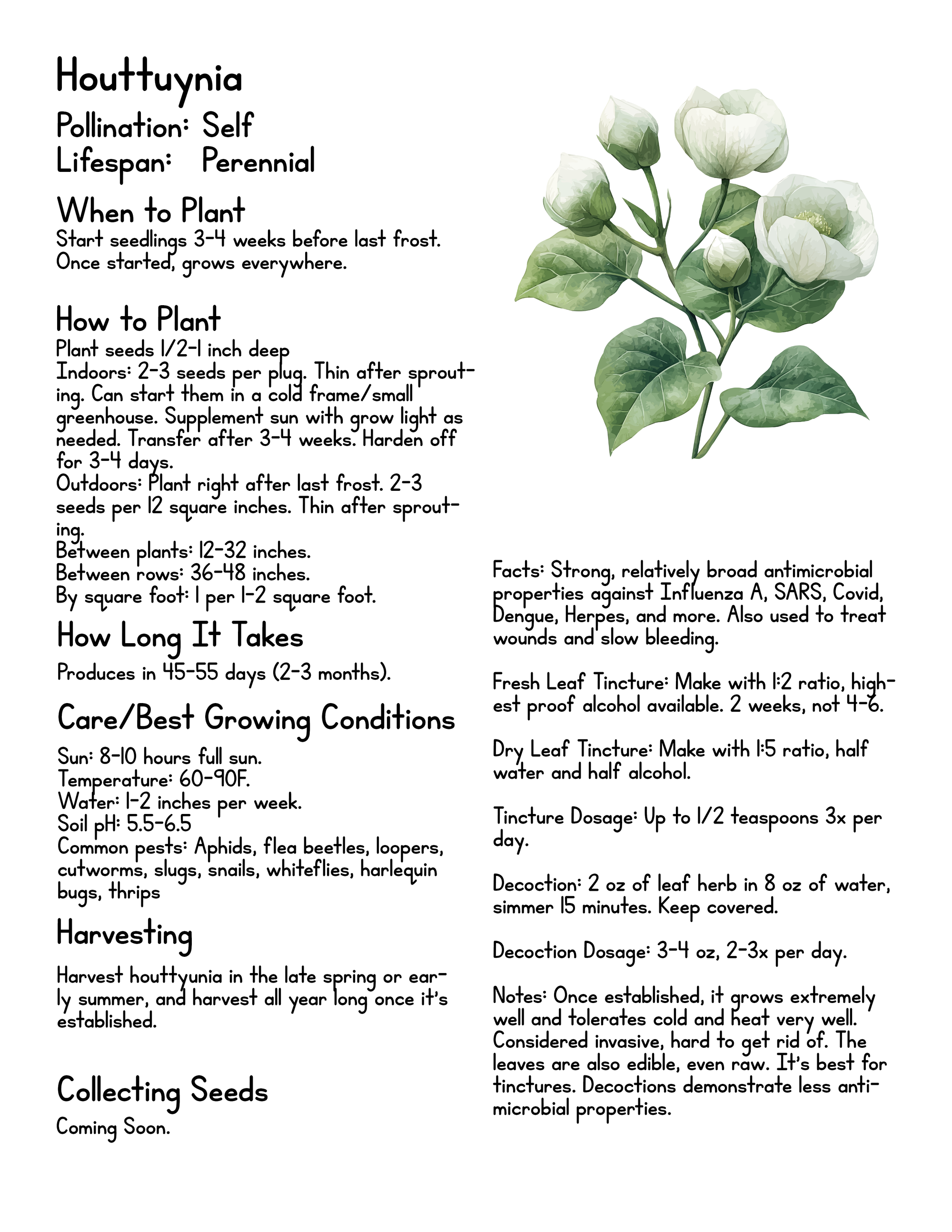
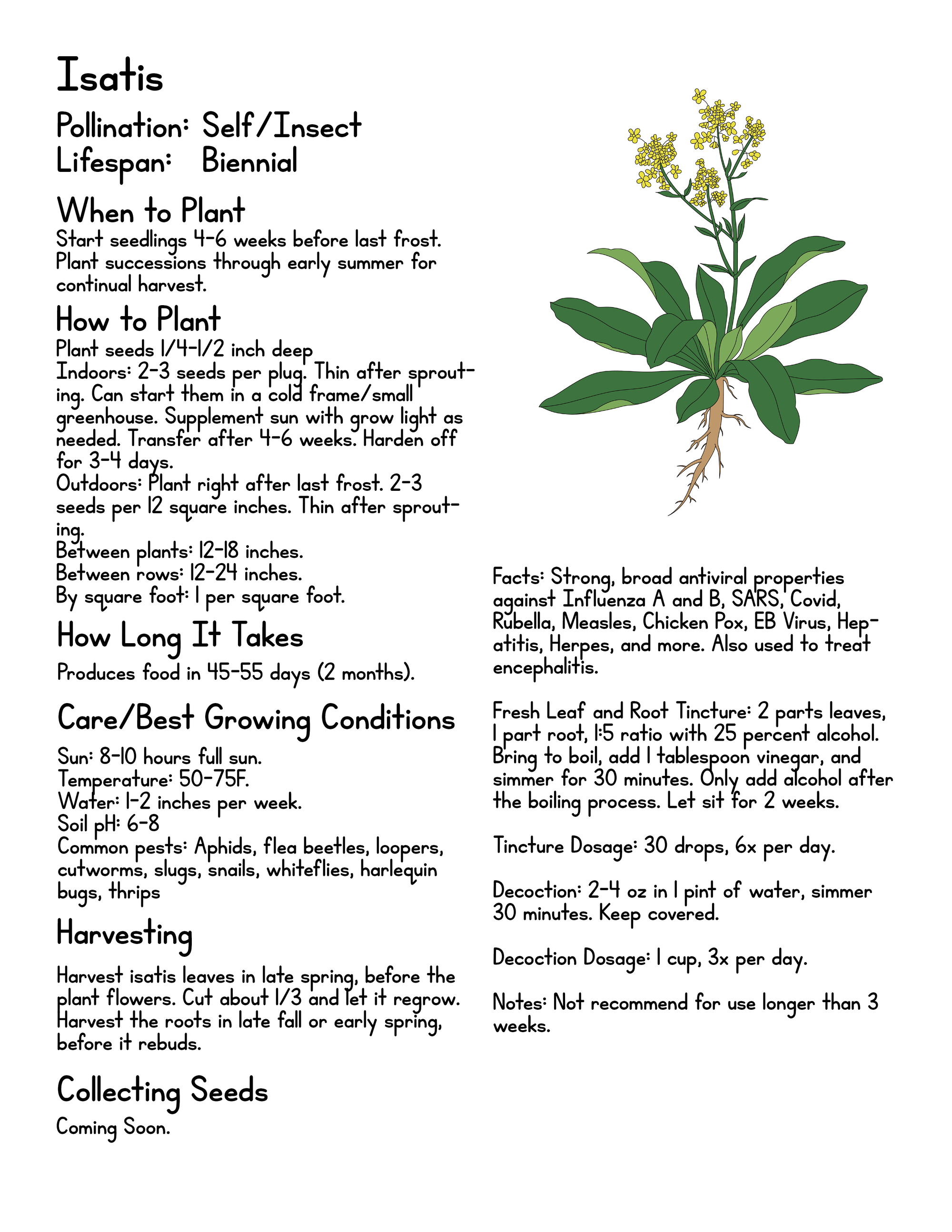
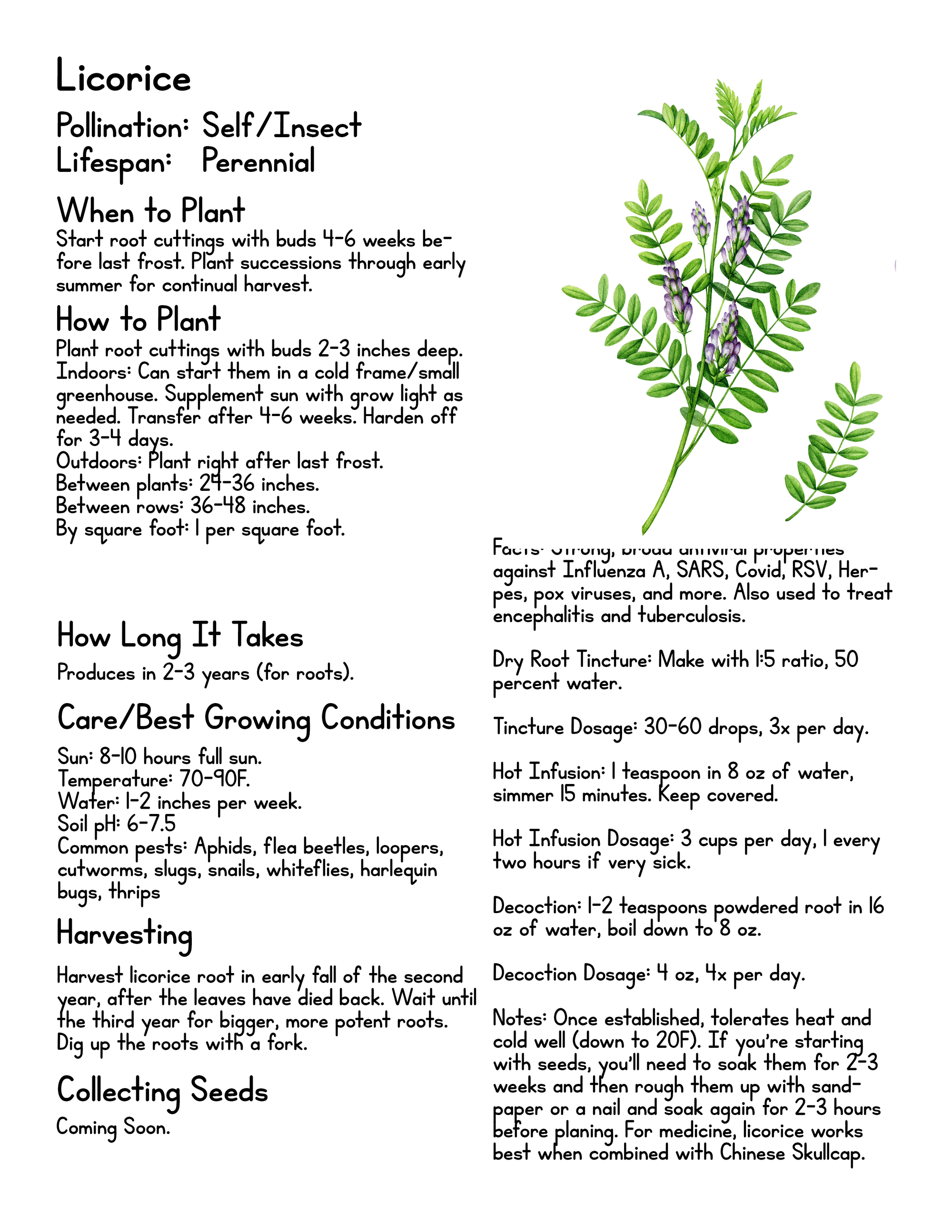
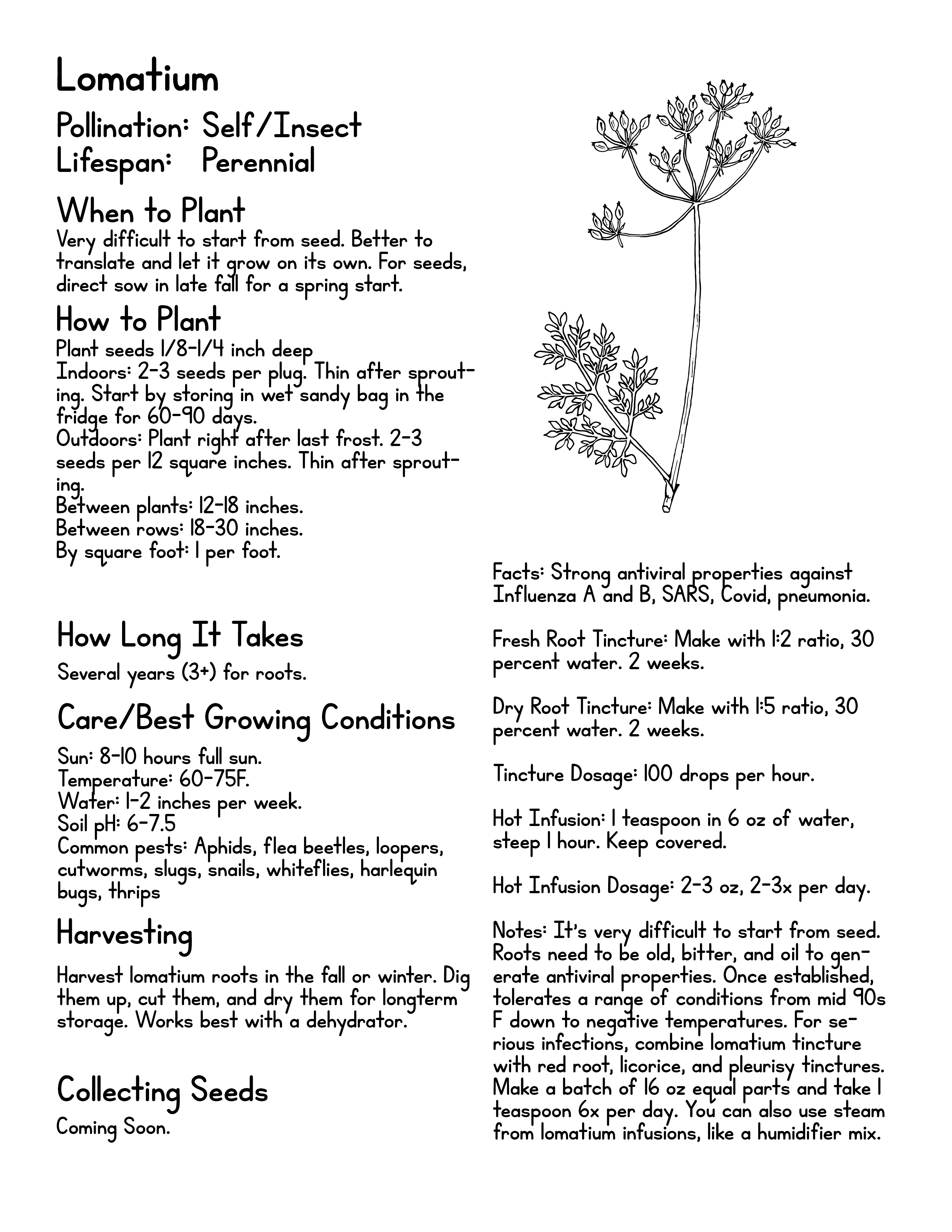
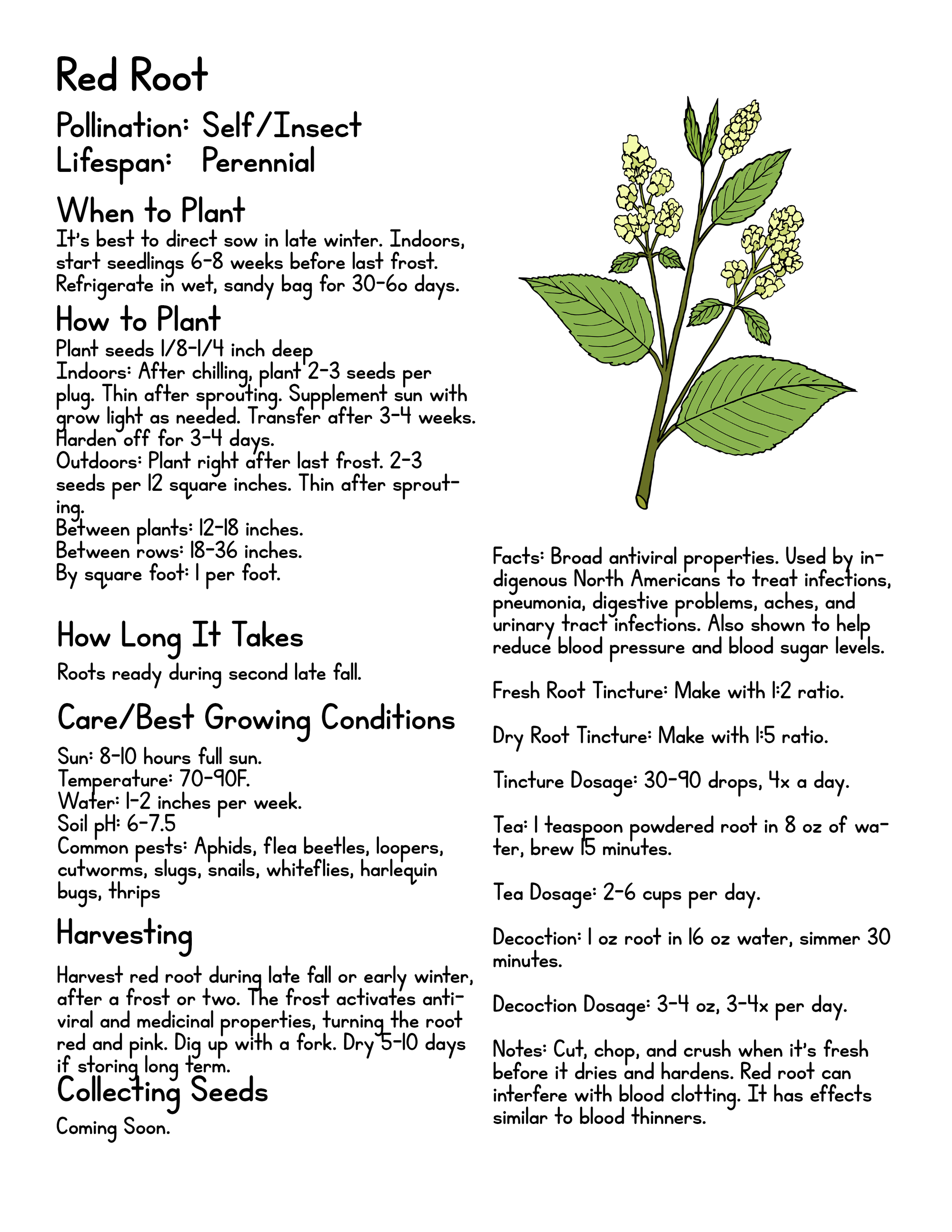
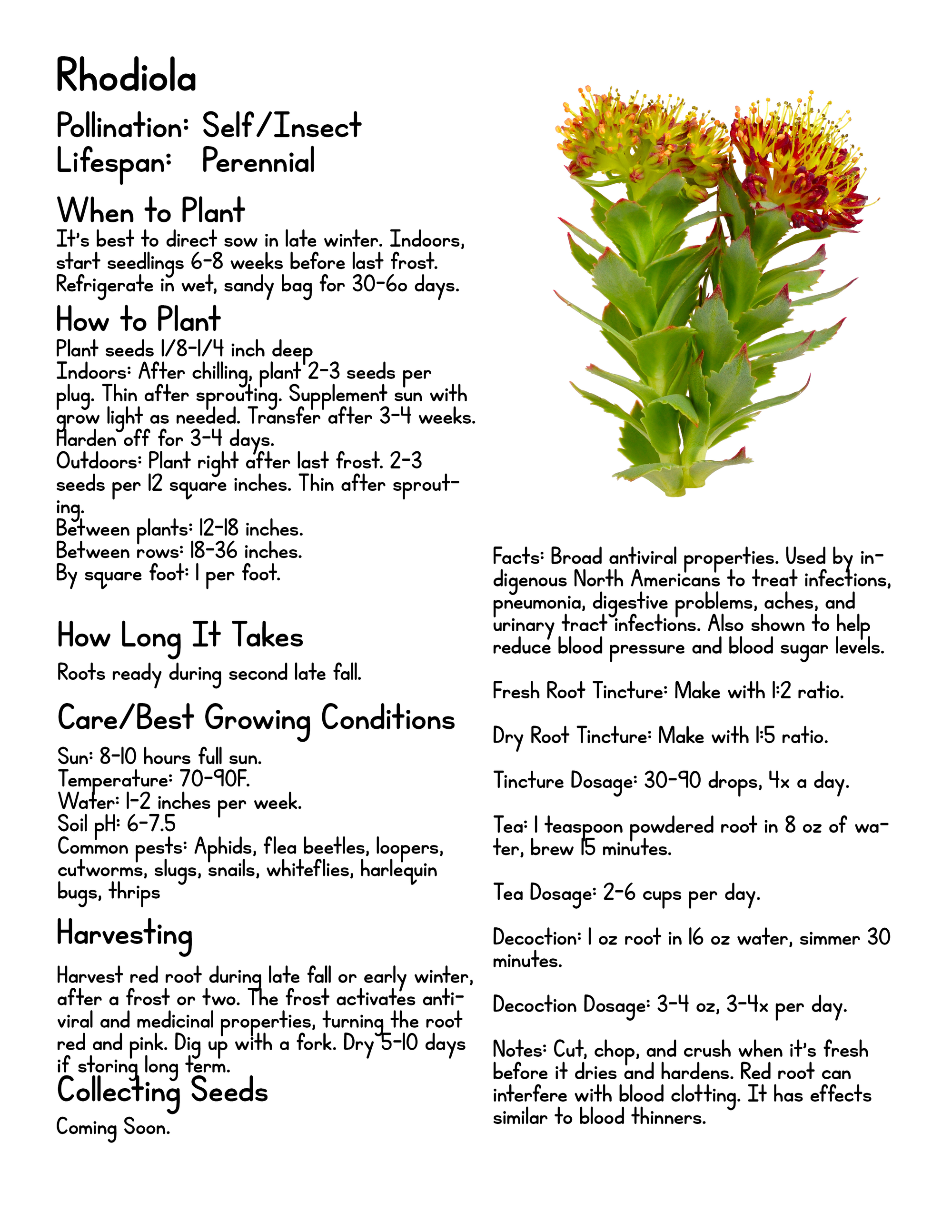
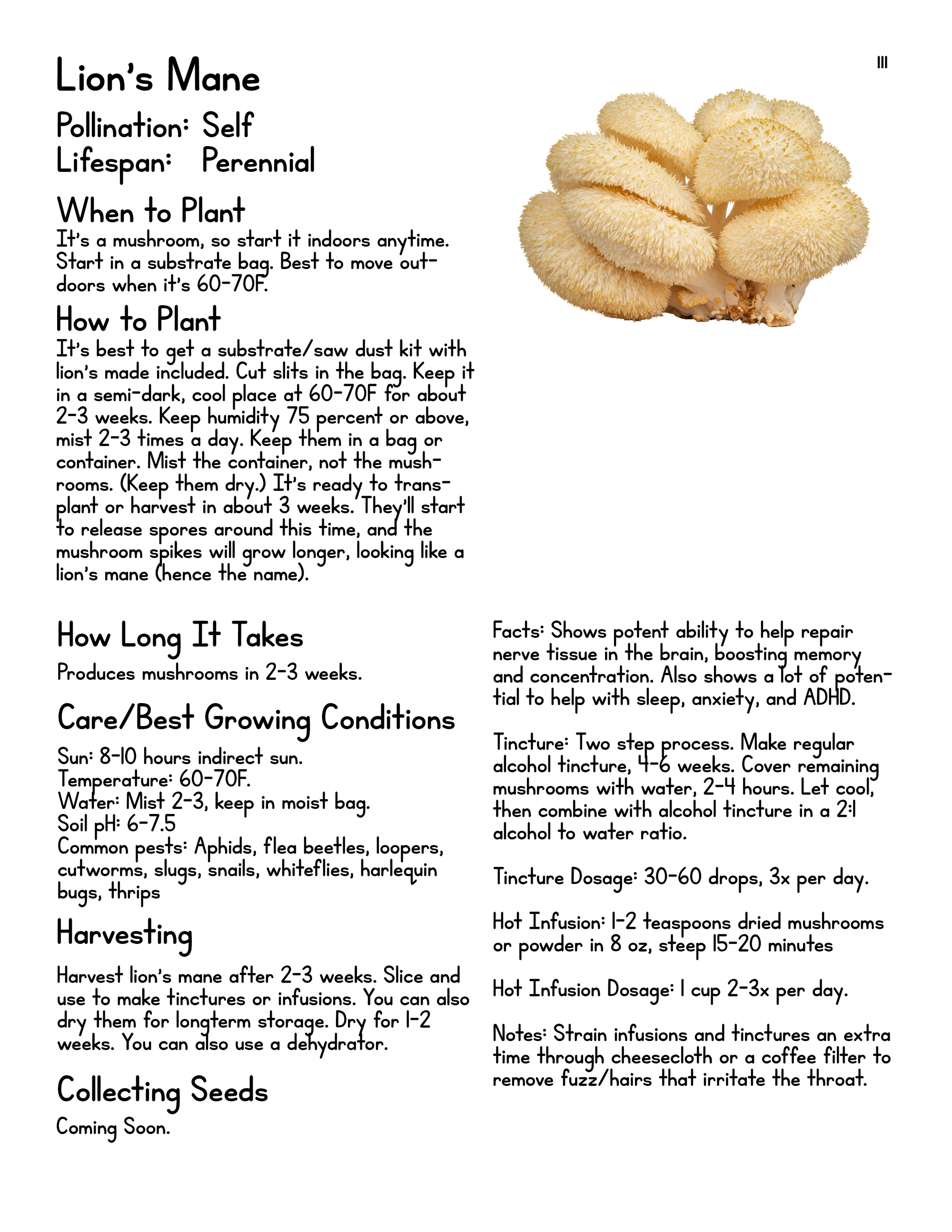
Survival Illustrated focuses on practical topics, because outrage won’t save us. You can offer one-time support
here.
