

So You Hate Gardening and You Think You’re Probably Going to Starve When Supply Chains Collapse Next Thursday at Exactly 9:47 PM Eastern Standard Time.
Let’s start a survival garden together.
Let’s start a survival garden together.

Let’s start a survival garden together.

Life is hard, and it doesn’t help that someone keeps predicting empty shelves and famine every few weeks. They all say the same thing:
“Start a garden.”
They give you a big list of things to grow. You go, “Wow, thanks. I work two jobs and cry myself to sleep at night, but I’ll get right on that.” And then you don’t, because life is hard. And complicated.
Am I right?
We’ve been growing for a few years. We’re not farmers. We’re not homesteaders. Sometimes, the best thing about professional homesteaders and farmers is the worst thing. They love growing. They assume you want to love growing, too. Why else would you be doing it? Well, I don’t love growing. I kinda like it, but I’m not doing this to reconnect with nature, or because I miss the 1800s, or because I want to stand around looking cute in overalls and pigtails. I’m doing this to have food. So I’m going to share what we’re doing on that front.
We’re heading into colder months, but that’s a great time to start planning a survival garden for next year and rounding up your supplies.
It’s going to be a garden you can actually manage, not something you start over a bunch of scary headlines and then abandon.
Let’s go.
Let’s open with the basics:
Learn your hardiness zones and planting seasons. You’ll typically start planting seeds indoors in late January and early February. You’ll harden your seedlings off in March and transfer them after the last frost. In terms of general timelines, most plants fall into a couple of big categories. You have fast growers that produce in 6-10 weeks. You have slower growers that produce in 12 weeks or longer. For example, bush beans and leafy greens like spinach produce in 10 weeks or less. Fruiting plants like tomatoes, eggplants, and winter squash take 12 weeks or longer. It’s worth getting an almanac that lists all the basic facts about most edible plants. Try Dave’s Garden PlantFiles, USDA Plants, or the Old Farmer’s Almanac Planting Calendar. Seed sellers like Burpee and Johnny’s Seeds also list these specs.
There’s endless lists of varieties, so where do you start? Start at this intersection: easy, hardy, and substantive. You want something that’s not going to take a ton of effort, and something that’s going to produce meals, not appetizers.
So grow potatoes, Jerusalem artichokes, winter squash, bush beans, peas, turnips, spinach, beets, parsnips, and radishes. These pack a lot of calories and nutrients. They’re pretty sturdy. In fact, Jerusalem artichokes can endure quite a lot of neglect—and they produce massive calories.
If you’re just going to plant five foods:
Potatoes
Varieties: Kennebec, LeHigh, Yukon
Bush beans (black, pinto, kidney)
Varieties: Provider, Royal Burgundy, Borlotti
Winter Squash (Butternut, Acorn)
Varieties: Autumn Frost, Waltham Butternut, Table Queen Acorn
Jerusalem Artichokes
Varieties: White Fuseau, Dwarf Sunray
Kale
Varieties: Winterbor, Lacinato, Red Russian
That’s it. Don’t worry about anything else for now. Don’t worry about cauliflower, broccoli, celery, lettuce, carrots, or tomatoes. They’re harder to grow, and they don’t supply as much in terms of calories and nutrition. Just grow those five, and you’ll have food to put on the table.
You’re choosing these crops not just for their intake value, but their storage potential. Potatoes, beans, and squash last for weeks or months without a fridge. You can harvest kale continually with a “cut and come” approach. You can leave Jerusalem artichokes in the ground and dig them up when you want them, all year long. They grow from spring through fall, but you can harvest them at any point. In fact, it’s best to dig them up after the plant has died.
Keep it simple.
Ah, yes, the part where people start giving up. I know, because that’s where my family was tempted to quit. You don’t want to commit to all that work when you’re not even sure it’s going to keep you alive.
So here’s the down and dirty:
If you want to grow 20 percent of your own food, that’s at least four raised beds, 4x8 foot, filled with those five king crops. If you’re trying to feed a family of three or four, that’s about 12-16 beds. This is where people also start to panic, but you’re not going to do that. You’re only going to plant five basic crops. Even better, you’re not going to wait until January to start rounding up all your supplies. You’re going to build the raised beds now. If 12 beds feels overwhelming, start with 4-5 beds. Think of it as practice with benefits.
You don’t have to plant it all at once, either. You can plant in succession. That means you space the planting out over several weeks. This strategy means you’ll harvest over time, not all at once. It paces your supply.
You’re going to realize something important: Those 12 beds will keep one person alive for up to 6 months on a strict emergency food diet. It could keep a small family alive for 2-3 months. Even a few beds will help you through any short-term panic buying or supply chain disruptions.
Combine those beds with a 3-month food supply, and you can stretch your survival time out to half a year, maybe longer.
Feel free to go ahead and get the beds, the soil, the seeds. If you get all this ready now, you won’t have to deal with shortages and supply glitches later.
Keep the seeds in a cool, dry place.
They’ll be fine.
A hot afternoon can kill your entire garden during a drought.
I would know…
Now we’re going to modify our original list of five. Spring is done. You’re going to keep growing into summer. Beginners try to fight the heat. Stop fighting. Lean into it. Plant crops that like heat and drought.
For example:
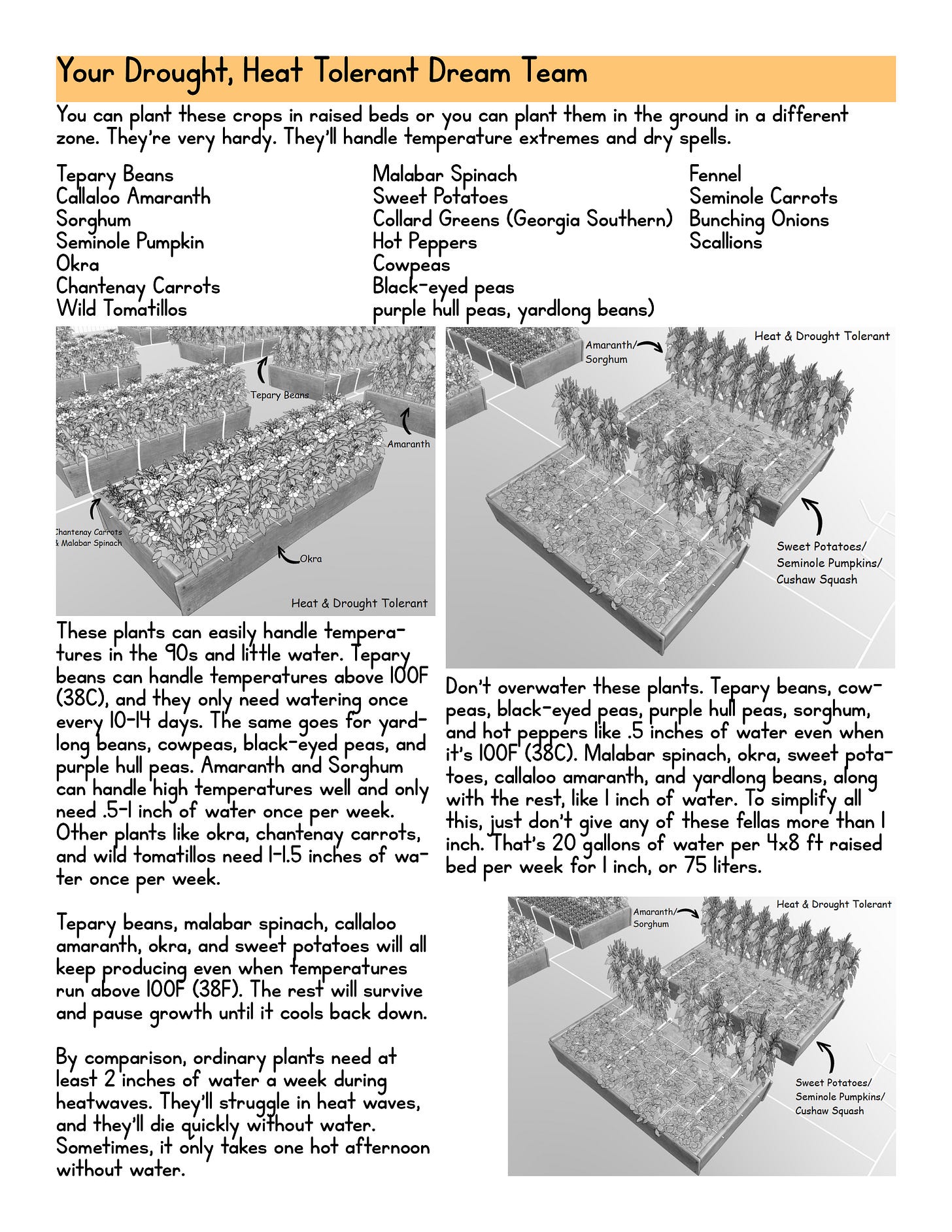
Tepary Beans, Cowpeas, Black-eyed Peas, Purple Hull Peas, Yardlong Beans, Okra, Wild Tomatillos, Callaloo Amaranth, Sorghum, Seminole Pumpkin, Cushaw Squash, Malabar Spinach, Sweet Potatoes
These plants thrive in heat. They can survive 100F+ temperatures (38C). While normal crops require extra water during heatwaves, almost double in some cases, these plants don’t. For some, you only have to water them once a week.
Starting out, the biggest question for me was how you actually filled the beds. Do you plant all spinach in one bed, all kale in another…?
Turns out, no…
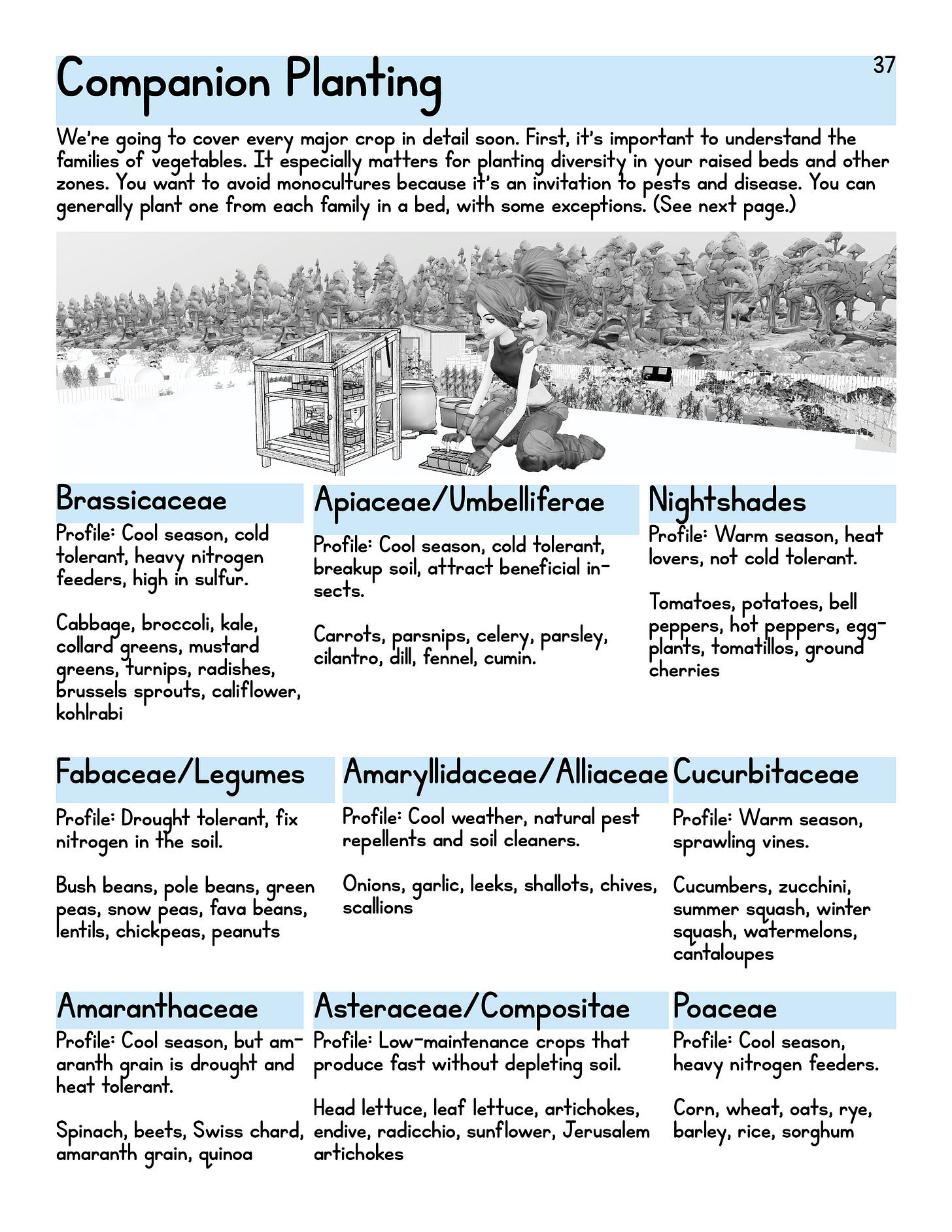
There’s this thing called “companion planting.” Maybe you’ve heard of the three sisters, an indigenous planting method where you plant a row of corn, a row of beans, a row of squash. They all benefit each other when planted in close proximity. There’s plants that get along, and ones that don’t.
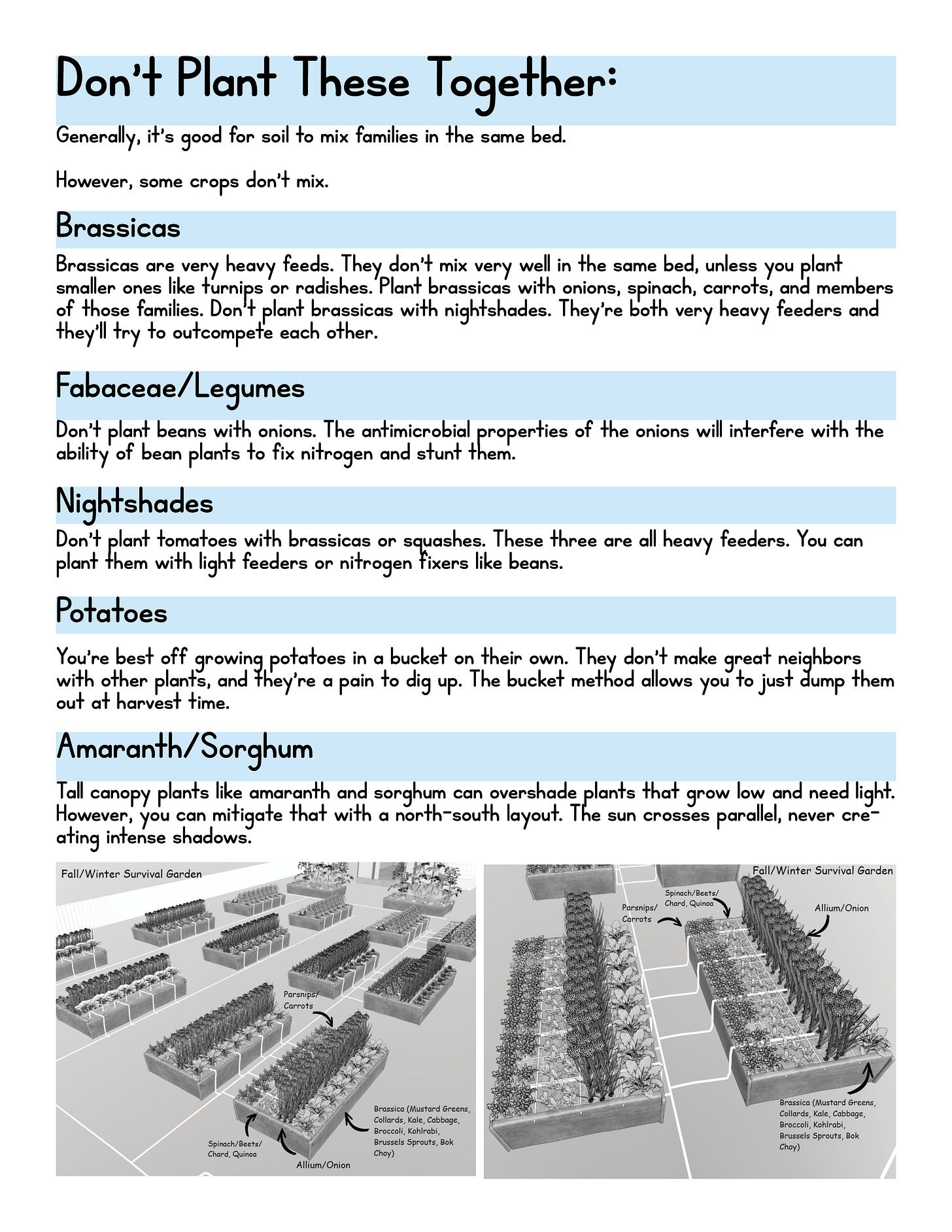
It sounds complicated, but you just need to understand the basic plant families. You generally want to plant one from each family in each bed: A brassica, an allium (onion/garlic), an amaranth (spinach, etc), and carrots. You can plant beans with almost anything because they’re nature’s fertilizers. Just don’t plant them with onions or garlic, because those don’t get along. Plant potatoes in buckets and hill them. Don’t plant heavy feeders like tomatoes, squashes, or brassicas together. They’ll deplete the soil very, very fast.
You’re going to get your seeds from Johnny’s Seeds, Burpee, True Leaf Market, Gurney’s, Baker Creek, Eden Brothers, Seed Savers Exchange, Botanical Interests, Tractor Supply, and Native Seeds Search.
They also sell supplies.
This thought keeps survivalist gardeners up at night. It’s a threat that I wasn’t sure how to deal with, and then it finally hit me:
If your neighbors are stealing food from your garden, then things have truly gone to hell in a hefty bag. So, that’s when you go up to them and propose starting a garden in their back yard. Sure, you’ll get it going for them. In 6-8 weeks, they’ll start harvesting their own crops. You’ll have the time. After all, who is going to work at this point if supply chains have collapsed and everyone is starving? Even if you’re still going to your miserable job, I suspect your boss will let you clock out a little early in exchange for some fava beans. Honestly, do you think they’re all going to say no to that deal? This is one reason why it’s a good idea to stock up on dry goods if you can, so you’ve got supplies to spare.
Trust me, you’re not going to shoot your neighbors.
You’re just not.
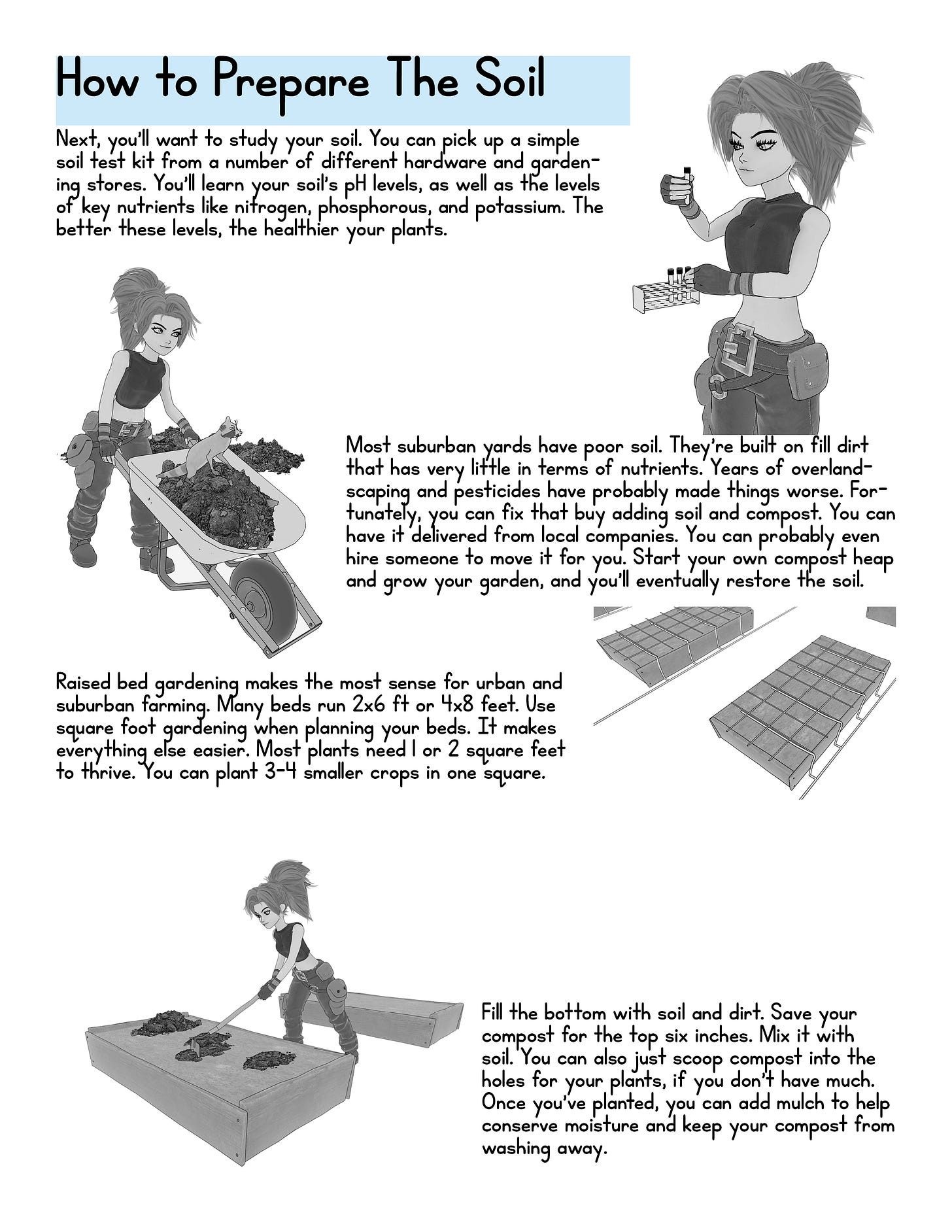
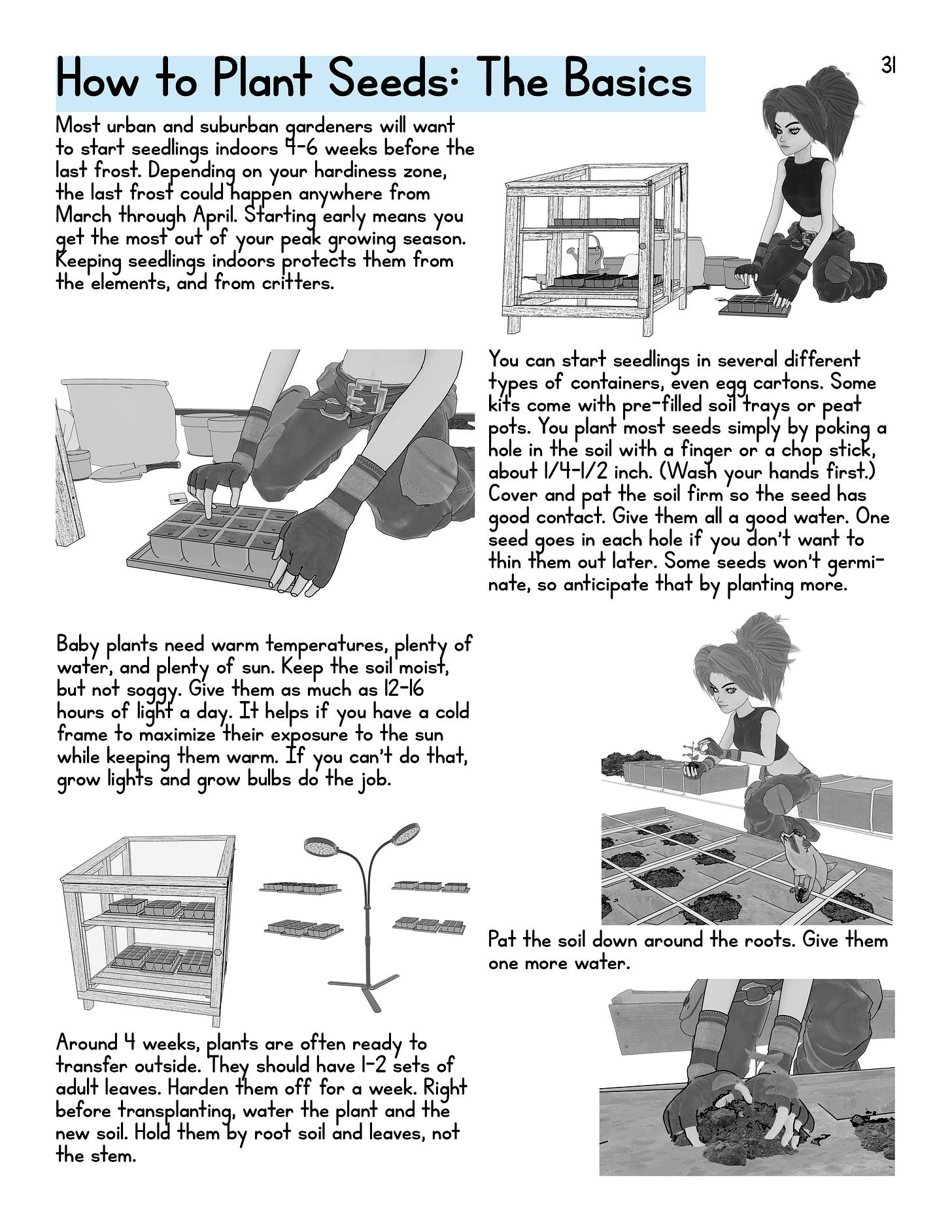
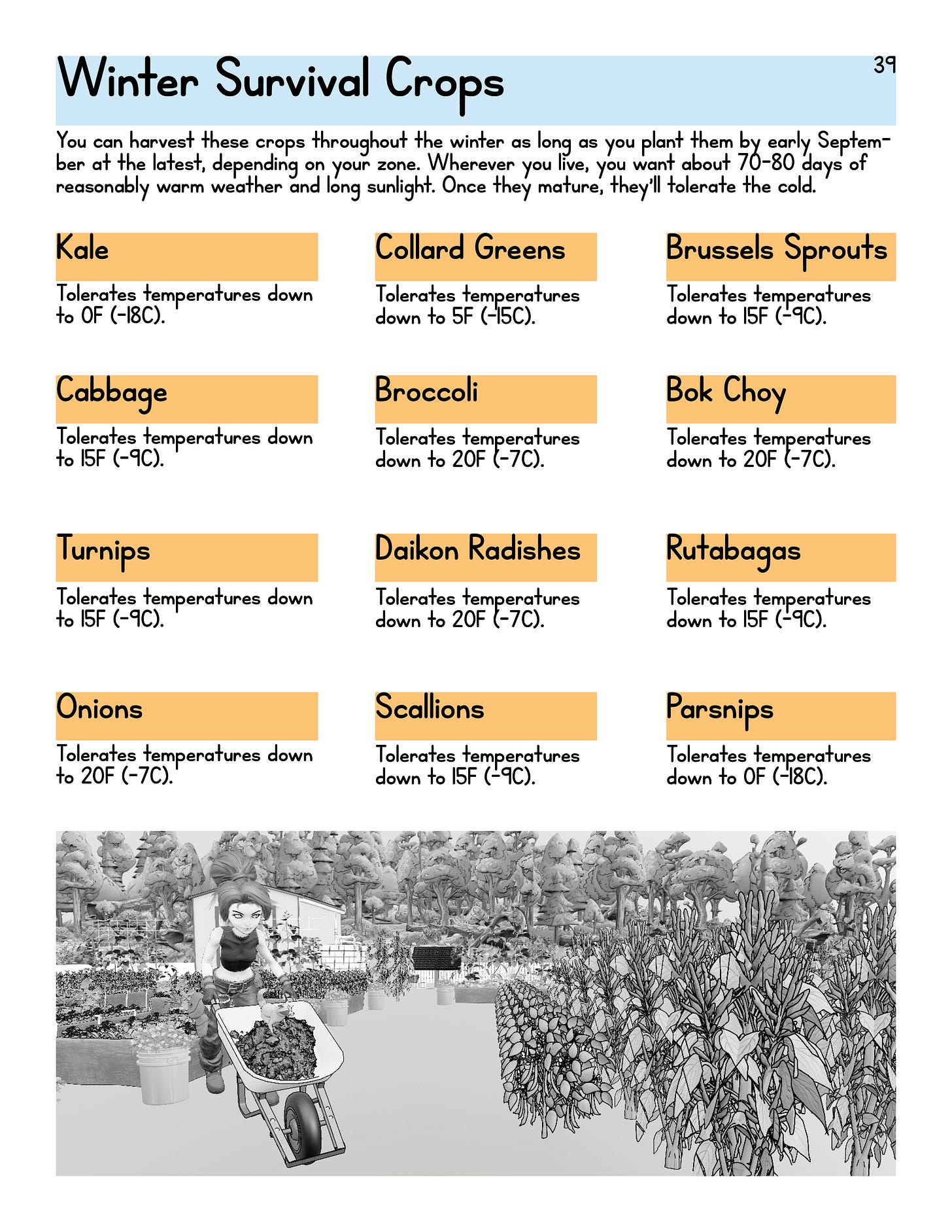
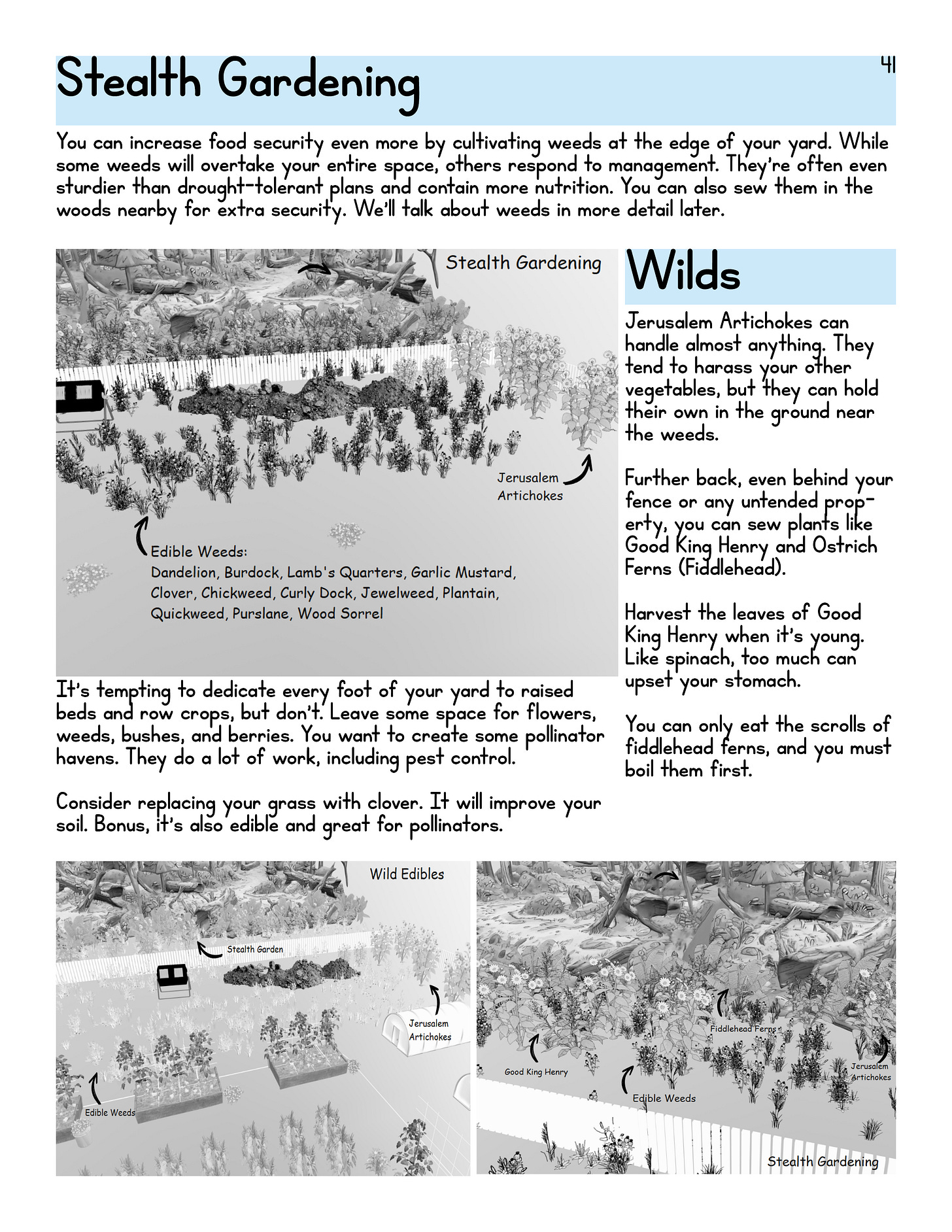
One of the hardest things to do, the thing that I believe stops most people from growing, is that they can’t visualize it. So, here’s mine. These include some brand new pages on survival gardening for my living survival guide.
Are you planning a garden?
Tell the circle.
Escape wishful thinking.