

Worried About Supply Chains? Don’t Raid Your Local Costco. Do This Instead.
An entry-level guide to food storage.
An entry-level guide to food storage.

An entry-level guide to food storage.

So… you just wanna know how to store food on the fly.
Not a problem!
There’s plenty of reasons to shift to bulk food storage over regular groceries. It gives you a buffer against supply shocks. It saves money. It also saves time. You’re not panic buying. That’s when you clean out your store’s meat section and start wrestling grandmas over the last value pack of toilet paper. Don’t. The point of preparing is to never let yourself get to that point.
We’ve been topping off our supplies, and we’ve noticed even more shortages starting to crop up since my last update. Soon, the sensible minds of the world could be competing against panic buyers and food scalpers over resources. I’m never going to tell anyone to hoard food, but storing bulk foods is simply smart if you’re willing to invest the time and bandwidth. Mormons have done it for generations. So have the Amish. Both are known for their pragmatism. Your goal is to store foods you know you and your family will eat for a few months, up to a year. Beyond a year, stockpiling food becomes a matter of diminishing returns.
(Don’t worry about it…)
Not everyone has the resources to build up this kind of buffer. If you do, then you should. You’re actually doing everyone else a favor. By building up a buffer that you know you’ll use, you're leaving supplies on the shelves for everyone else who can’t plan ahead, or didn’t plan ahead.
We don’t “stockpile” just for ourselves. We finally know a few other families well enough to share resources with them. A community doesn’t have to include everyone you know, just the ones you trust.
Here’s another misconception: You don’t have to store food and supplies all by yourself, although that’s often how preppers describe emergency food storage. You can crowdsource a pantry with a small group of friends or neighbors. Do you live in an apartment? Are you on good terms with a few people in your building? Then you can coordinate with them to create emergency stashes.
We know about incoming supply disruptions via new developments in the war with Iran. We’ve also heard rumors that truck drivers will go on strike in October. None of this looks good. You can spend the next 72 hours pouring over the details and trying to predict exactly how bad it’s going to get. Or you can spend it getting ready. This post reviews what we’ve done to get ready.
If you’re also getting ready, share what you know.
Tell us what you’re doing.
It could help someone.
If you don’t have connections with local farmers and markets, that’s okay. You can still build a food stash without going broke. Don’t fall for those pallets of food buckets at Walmart. Those are for noobs. While it’s fine to have a few of those for true emergencies, they won’t keep you alive for very long. They often misrepresent their caloric and nutritional content. They’re extremely high in sodium. They also tend to lose key vitamins and nutrients after a few years of storage.
Plus, they’re expensive.
Instead:
This company sells raw beans, oats, rice, lentils, and more. They pre-package everything with mylar and oxygen absorbers, so you don’t have to fuss with that if you’re trying to start a stockpile on a limited timeframe. Their buckets last at least ten years, and probably longer.
You’re going to want some dehydrated foods on hand that cook up quicker than normal dry goods. If there’s a power outage, you can cook dehydrated beans or lentils with a candle stove or a camping stove in a fraction of the time. That matters, because you want to conserve your candles and fuel tablets. This company sells dehydrated beans, lentils, and vegetables without additives.
You can buy each item in bulk, which is vastly cheaper than companies that exclusively sell freeze-dried foods or buckets.
Dehydrated foods don’t last as long as freeze-dried foods, but does that matter? You can buy enough dehydrated food to feed your family, and it could last 3-5 years if you store it properly. Or you can blow your budget on a tiny amount of freeze-dried food that lasts 20-30 years, but it’s loaded with sodium and won’t sustain you for very long. If you’re preparing for an emergency in the short term, it’s smarter to go with bulk dehydrated foods. Skip the freeze-dried pouches for now.
They also sell dehydrated and freeze-dried foods. We’ve used them for a few years. We trust them. Believe it or not, brand matters. Several years ago, we bought dehydrated mushrooms from a company called It’s Delish. My spouse spent all night hugging the toilet. If you build a stockpile of food, but it’s going to give you food poisoning, that kinda defeats the point.
They’re a reliable brand, and they sell truly huge sizes. For example, right now you can buy an actual ton of wheat from them for about a thousand bucks. You can buy smaller quantities, from 50 pounds down to five.
About the price….
If you’re buying raw wheat, then these prices probably look absurd. Yes, you can get it cheaper from a local supplier, but stop and think for a minute. You’re going to have a rough time storing large amounts of raw wheat straight from a farm or a commercial grain elevator. You’re going to have to sift and winnow. You’re going to have to wash out the animal droppings and kill the weevils. If you don’t know what you’re doing, you’re going to wind up with an absolute mess.
So, you’ll spend more at places like Azure Standard, but you’re getting food-grade wheat berries that you can just drop in bags and store. If you buy the smaller quantities, like 5 and 25 lbs, it’s even easier.
Powdered foods can last for at least a year if you store them right. Here, you can get several kinds of powdered milk and cheese.
Try Palouse Brand, Thrive Market, Web Restaurant Store, and even places like Augason Farms (a little more on the prepper side…) When you buy these foods in bulk, you're bypassing the panic as well as the prepper-industrial complex that lives to make money off your fear and anxiety.
These companies simply sell bulk food to people who are tired of running to the supermarket every week to get ripped off by an industry that’s increasingly controlled by a handful of corporations.
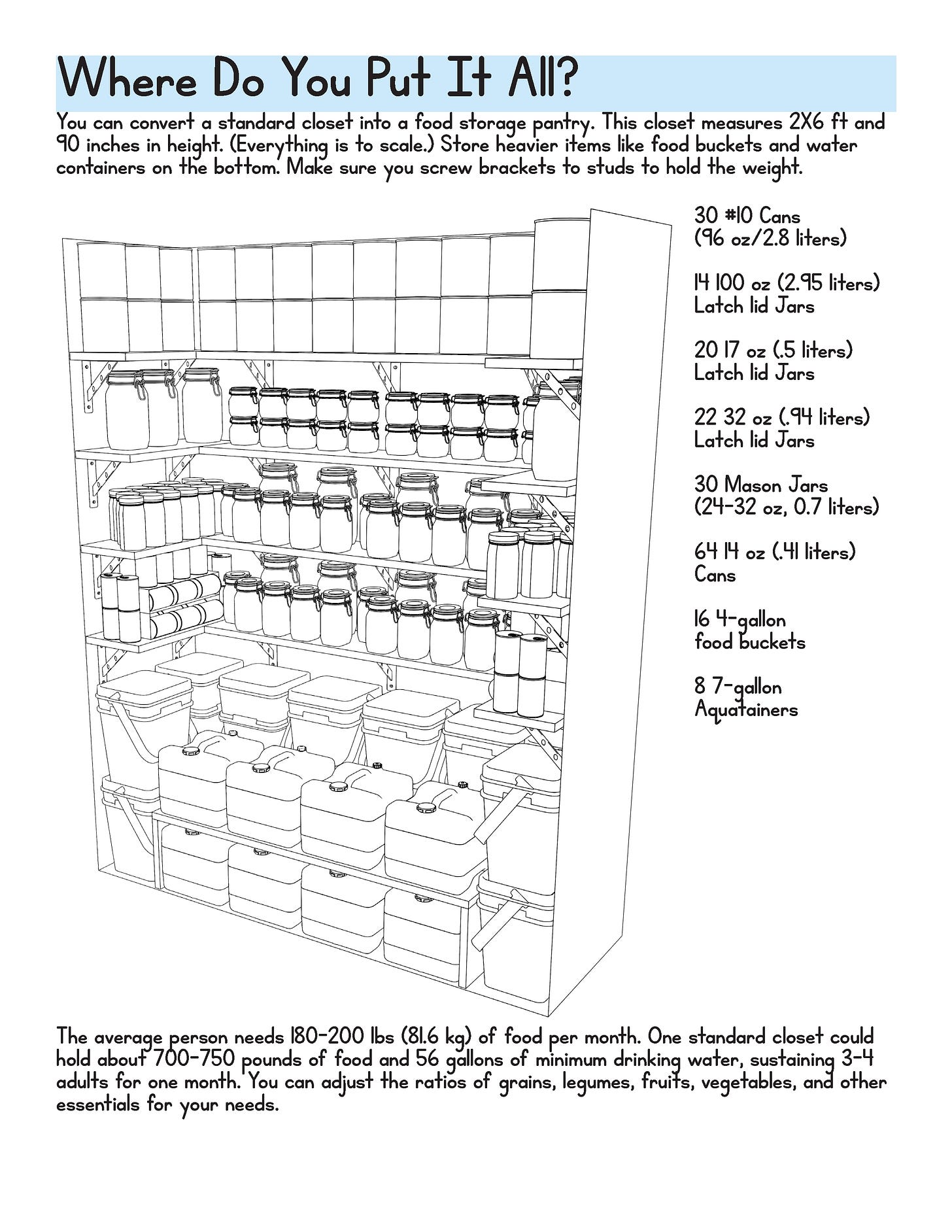
Most of the prepper content out there tells you what to store. The other question is how. Your food stockpiles won’t do anyone much good sitting around in 5-gallon pails. You need a system to transfer the food into smaller containers. That helps you create a rotation system to maximize the value.
You’re also going to need a wheat grinder. Try to get a manual, stone grinder if you can. They’re more expensive, but they’ll last a lifetime.
They’ll also work during grid outages.
Let everyone else fight over the last gallon of milk at the store. You’re going to have dry goods and powdered milk shipped to your door. You’re going to develop a rotation system. You’re going to adjust to a simpler, more natural diet. It’s going to save you immense amounts of time, energy, and stress.
If someone comes to you hungry and desperate, you’re not just going to turn them away. You’re going to help them as much as you can.
(Well, at least, that’s what we’re going to do…)
You don’t have to advertise your stockpiles on the street corner. You also don’t have to feed your entire city. We’re just talking about identifying people in your life who are good people, who nonetheless didn’t get ready, for whatever reason. You can offer them a lifeline in a time of crisis.
And for the win, now would be a great time to donate some food or supplies to local food banks if you have any to spare.
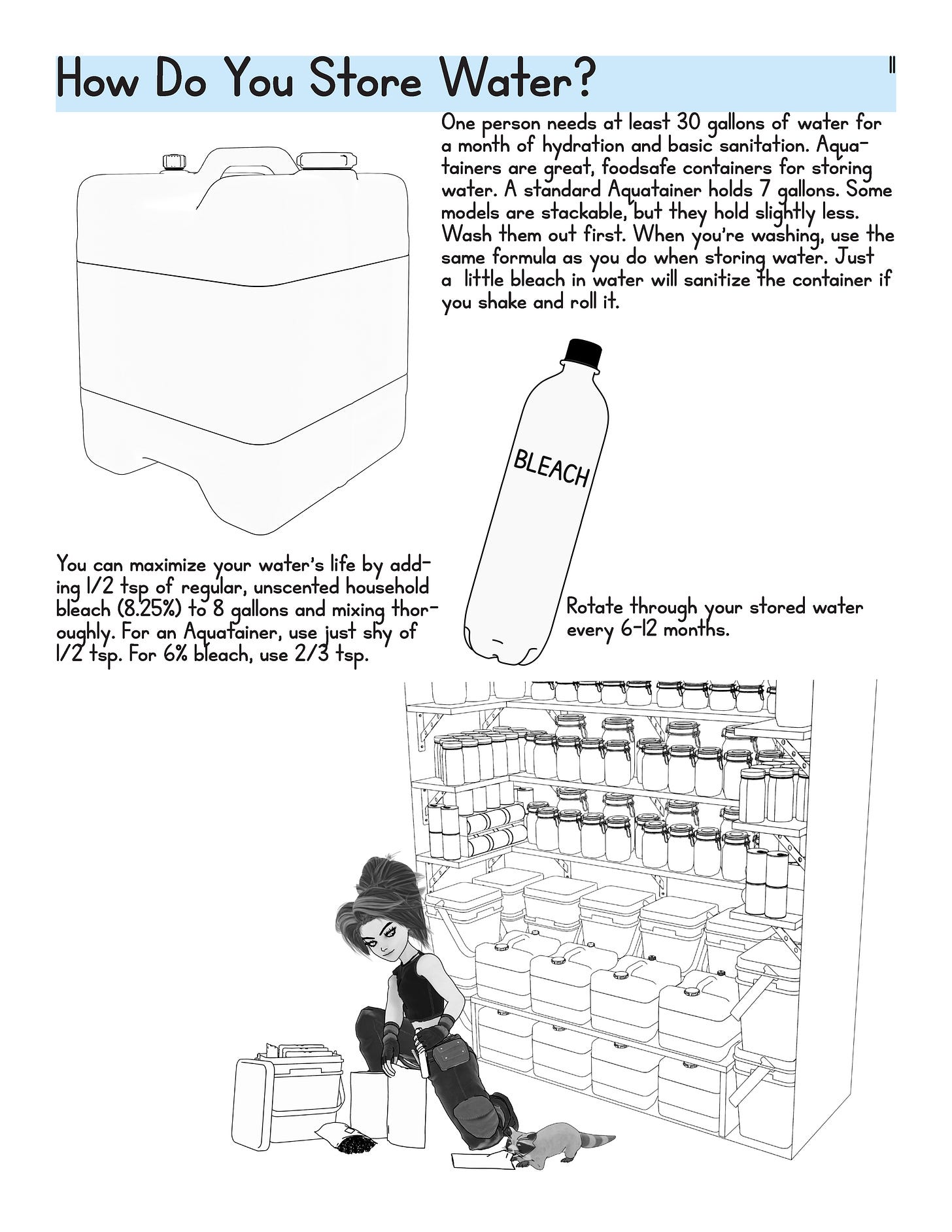
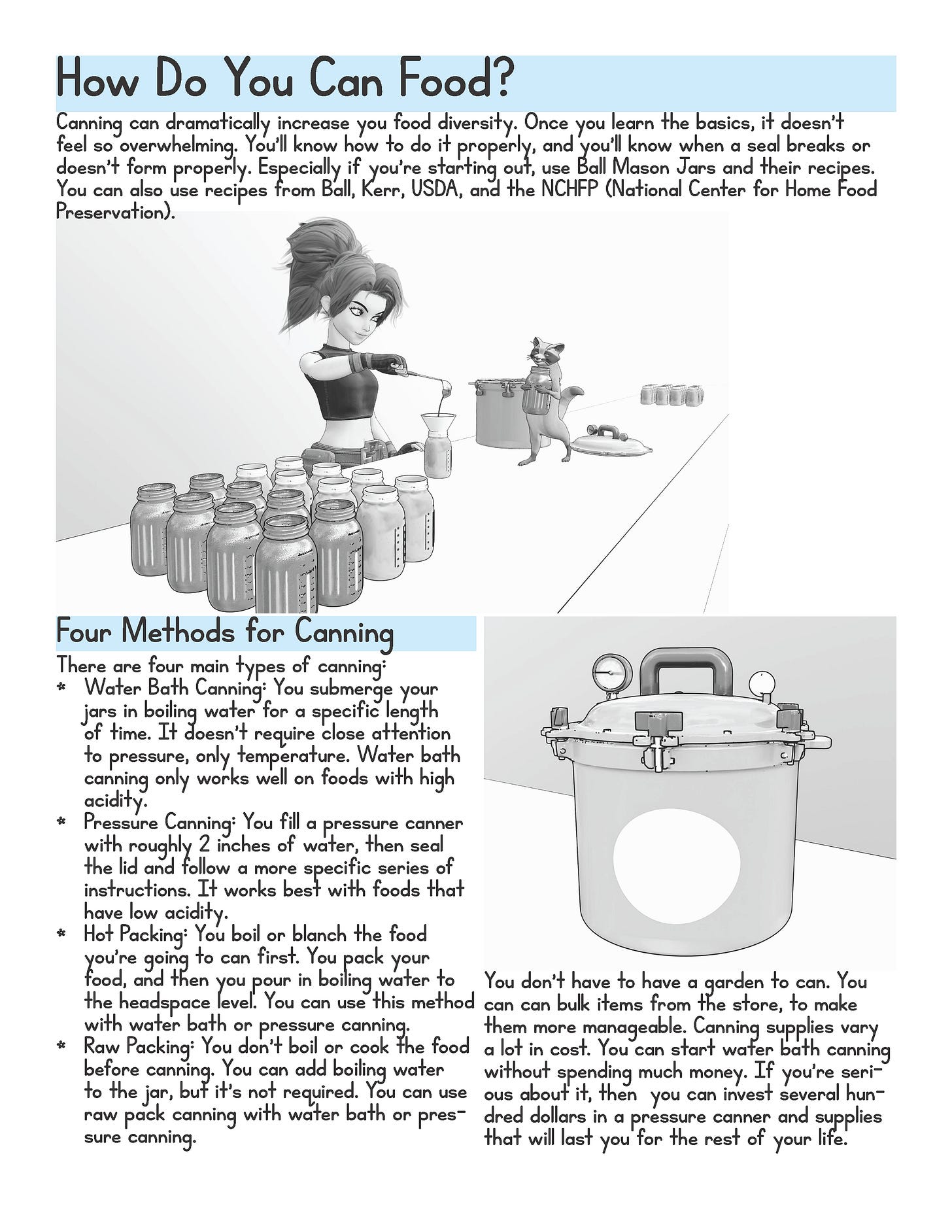
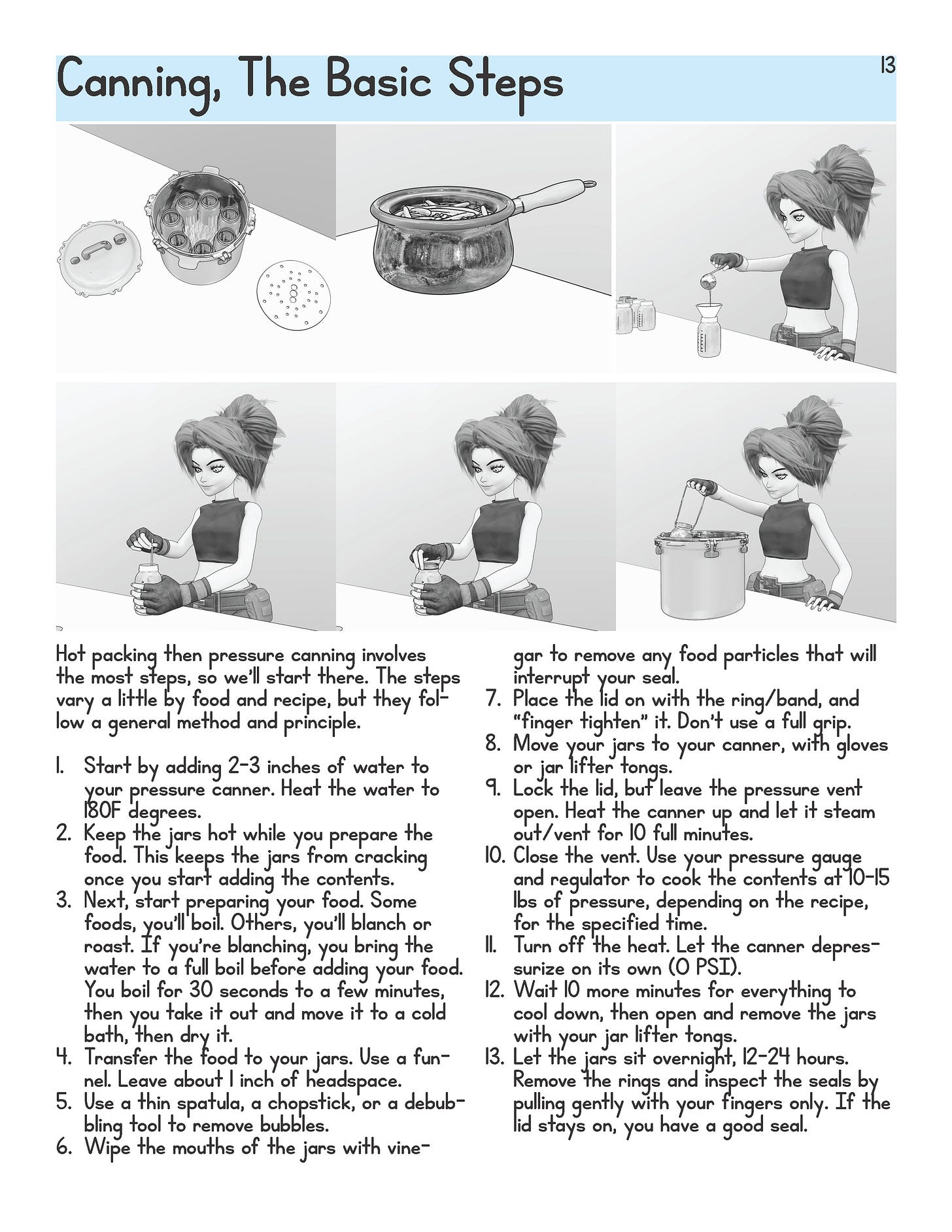
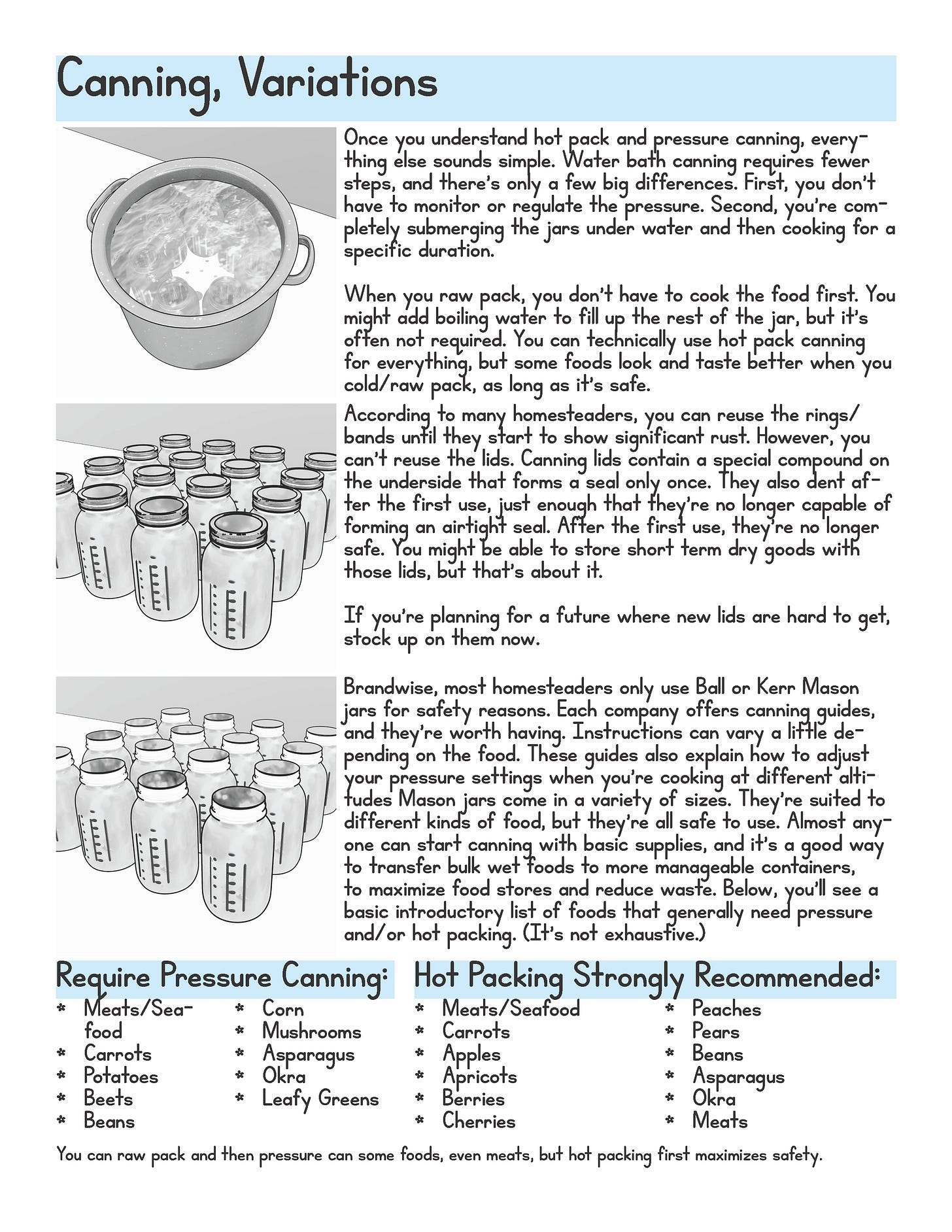
We’ve written an entire guide on surviving disasters. I’m presenting the pages from it that focus exclusively on food storage and rotation. It’s a free guide. I’ve made it as accurate as possible.
Here you go:
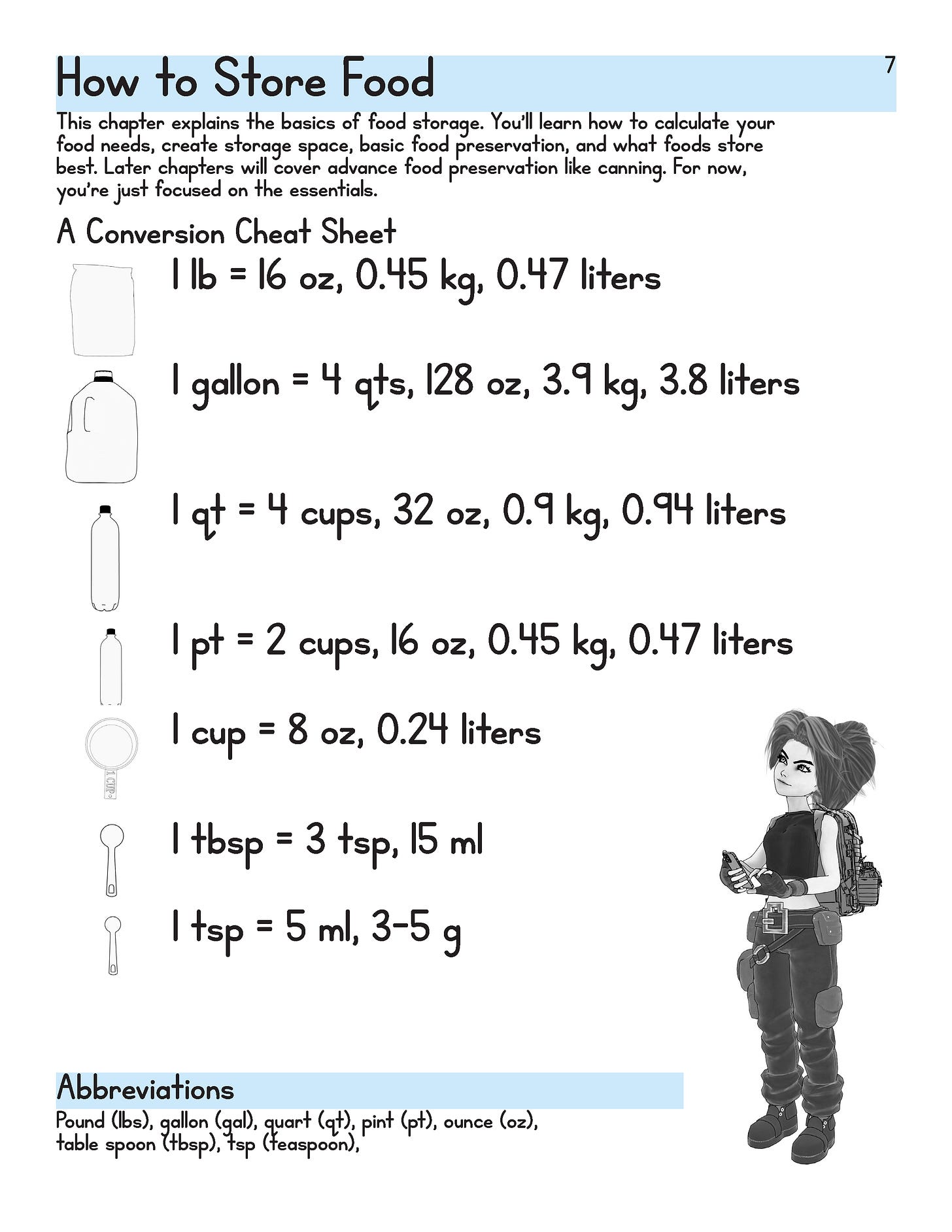
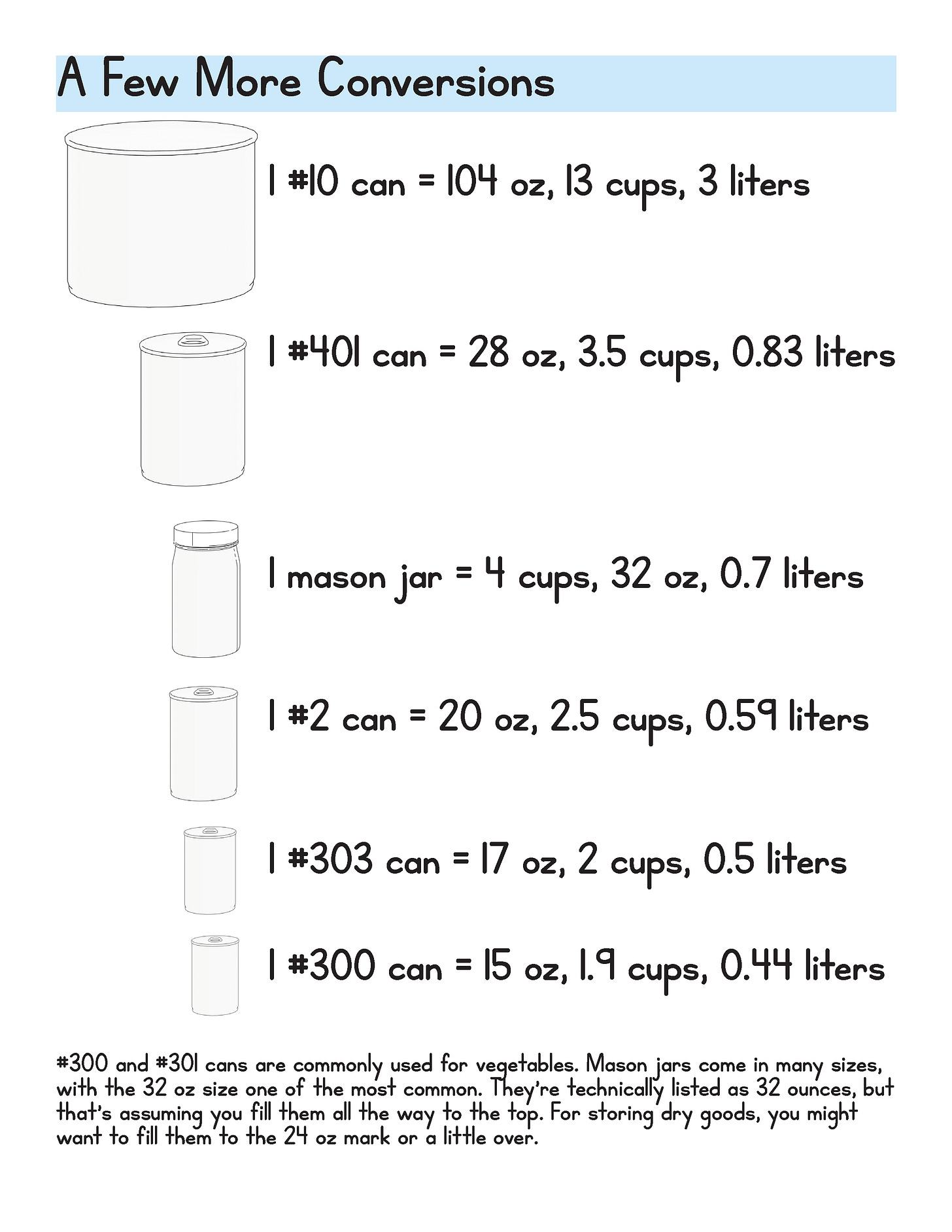
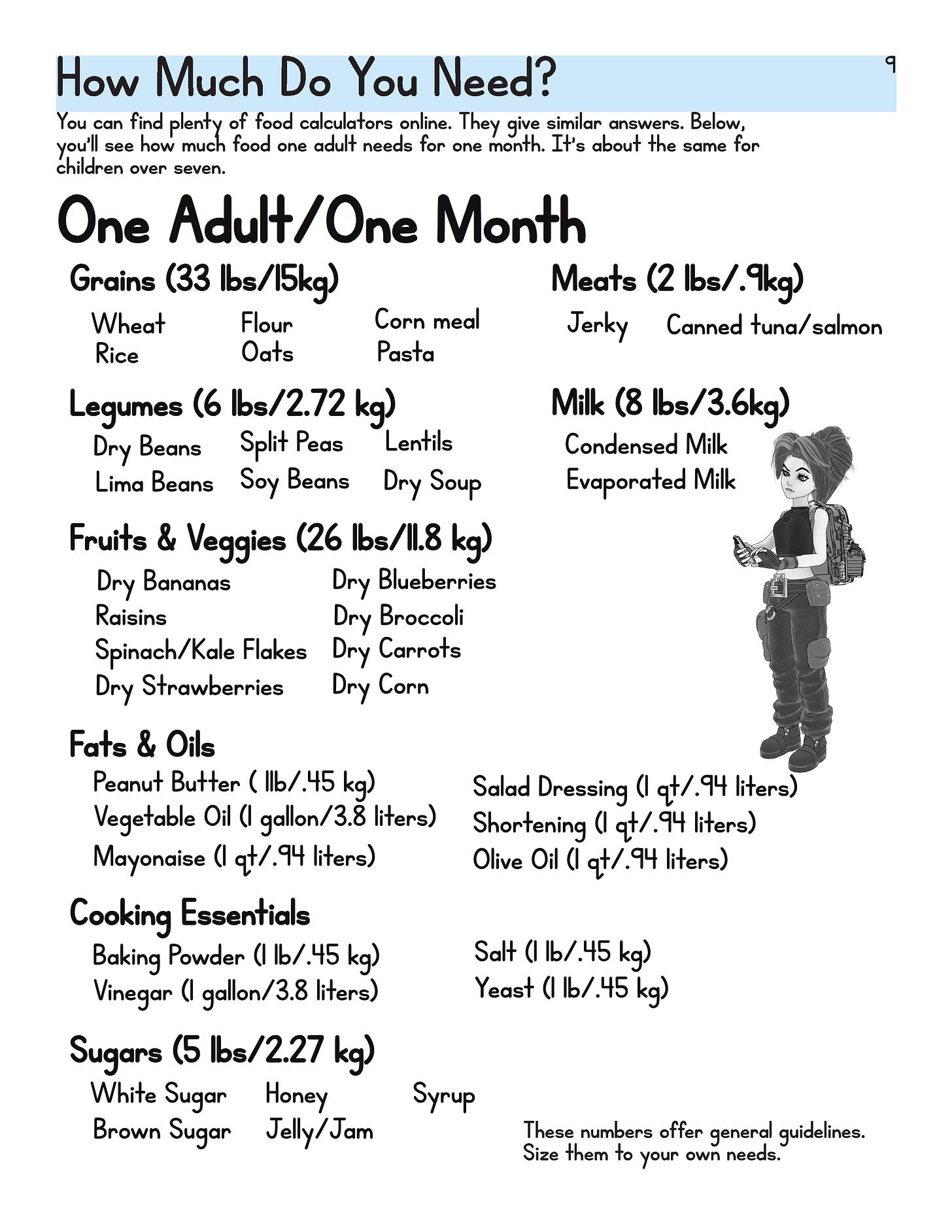
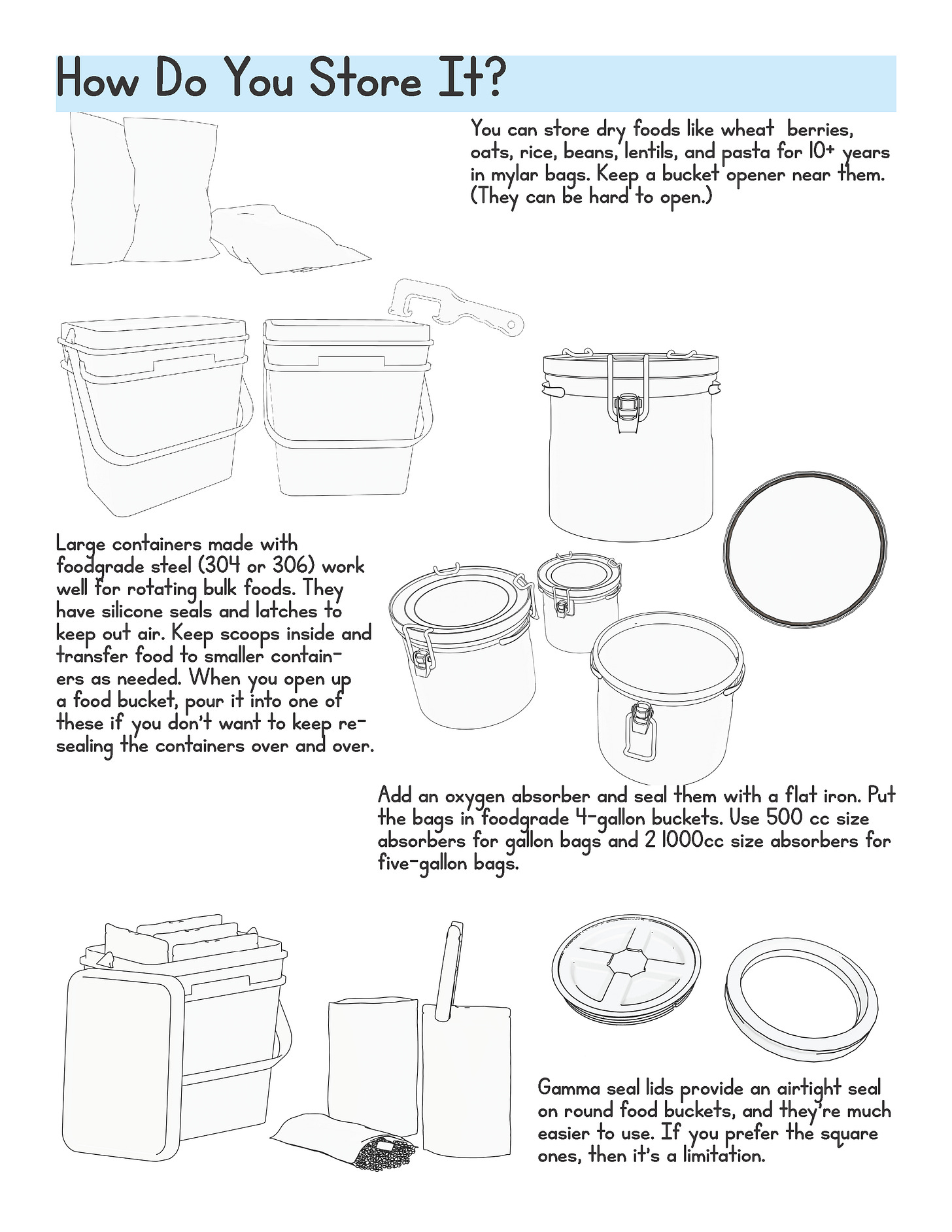
Sentinel Intelligence is a reader-supported publication that also receives funding from organizations like the Alfred Kobacker and Elizabeth Trimbach Fund. You can offer one-time support here. To receive new posts and support this work on a more regular basis, consider becoming a free or paid subscriber.
Escape wishful thinking.