

It Took Me Almost Four Years to Learn How to Make This (And I’m Still Learning)
Notes on a survival mindset.
Notes on a survival mindset.

Get it cheap before hell freezeth over.
And what to do instead.

Some say the world will end in fire,
Some say in ice.
From what I’ve tasted of desire
I hold with those who favor fire.
But if it had to perish twice,
I think I know enough of hate
To say that for destruction ice
Is also great
And would suffice.
—Robert Frost
It’s getting popular to talk about the end of the world.
It’s also getting profitable.
Marketing analysts have predicted major growth in the prepping and survival industries over the next decade. What kind of growth? We’re talking about food buckets and premade bugout bags. We’re talking about podcasts and listicles stuffed with affiliate links offering “secrets” about generating endless amounts of food, water, and electricity for pennies on the dollar.
Unfortunately, the companies and influencers pushing all this stuff aren’t actually trying to help anyone. They’re trying to make money off the legitimate, inevitable awakening of the public—and their fear.
Everyone is finally starting to realize that the shelves aren’t going to stay full. The lights aren’t going to stay on. The air conditioners aren’t going to keep humming. Eventually, something’s gotta give.
That thing is the grid.
Ultimately, it’s a good thing for more westerners to see what’s going on. A few years ago, you’d get rubber-stamped as a conspiracy theorist for talking about endless wars or depopulation agendas set by billionaires.
Not anymore…
The UN has declared our original climate goals dead. The World Economic Forum is talking about water scarcity. We’ve seen Project 2025 become a reality. The Epstein files have highlighted the total psychopathic nature of our institutions and their leaders. The world’s richest men openly brag about buying elections and committing war crimes. Tech companies are trying to build data centers in almost every major city, driving up utility bills and wrecking entire communities.
It’s never been clearer what they have planned. It’s no longer the stuff of back alley Reddit threads. It’s all out in the open.
Content about famines and population bottlenecks routinely go viral now, but there’s just one problem with all this.
It’s nonsense.
Like always, grifters are trying to cash in on the profound shift in vibes. They want to appropriate this new awareness. They want to channel it into income streams. And look, there’s nothing wrong with trying to make a living. But there’s something wrong with selling lies. If you want to make a living off the end of the world, at least be honest about it. (Wink, wink.) There’s something wrong with panicking millions and telling them to do things that will hurt their chances of survival. That’s what bothers me. Society should be coming together and forming plans to get through heatwaves, crop failures, droughts, fires, and floods. If nothing else, families should be working on projects that will actually keep them alive. Instead, they’re dining out on clickbait. So, what’s some of the worst advice out there?
What’s wrong with it?
Let’s talk.
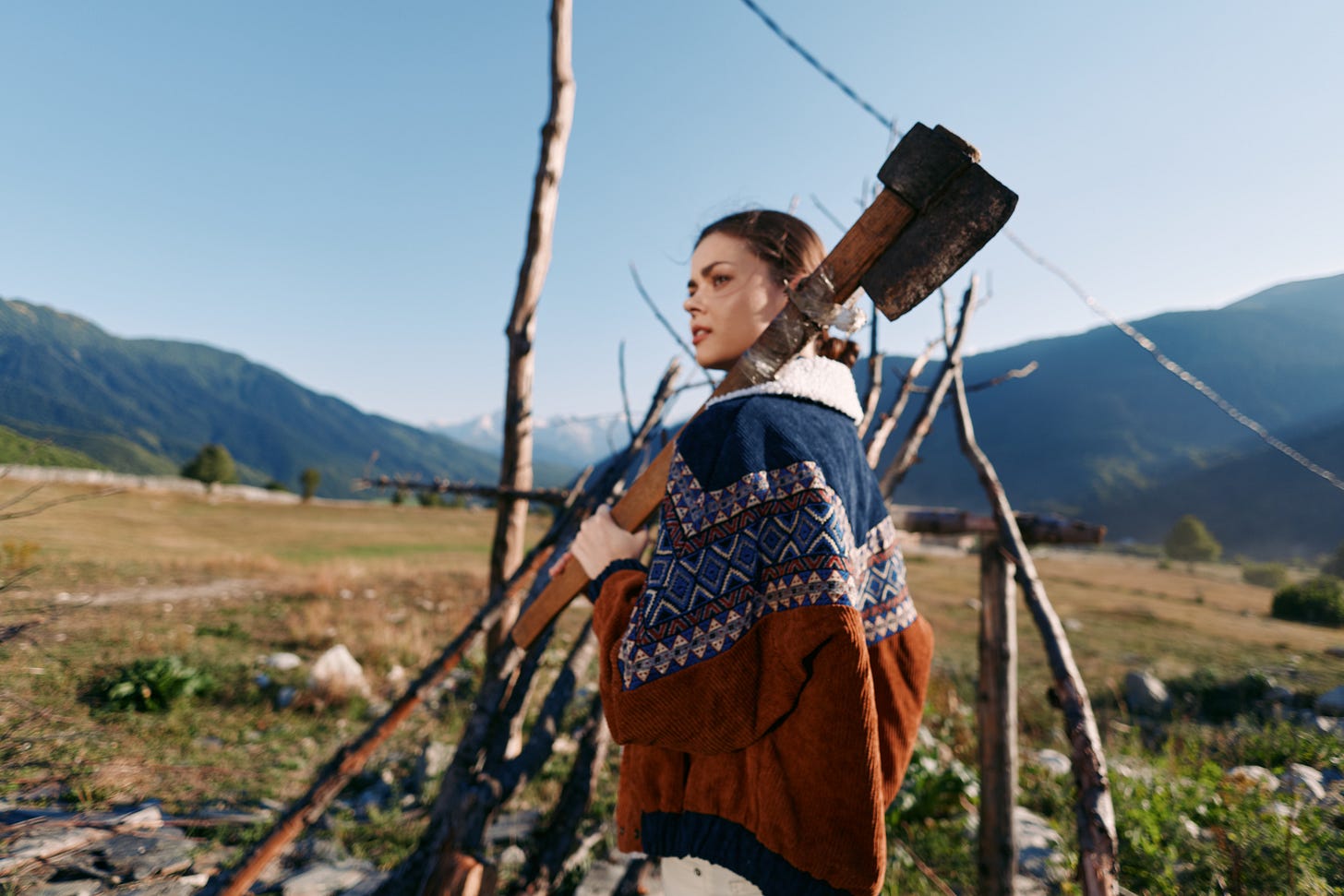
There’s a certain comfort in believing you can survive the future by turning to the past, and there’s some truth to it. And yet, that simple truth gets watered down and dumbed up for mass consumption as survival goop.
One toxic line of thought recommends we live more like our ancestors did, fishing, hunting, and foraging. It confuses a few different points.
Yes, our future does look more like the past in some ways. Grids will eventually give out under the pressure of weather chaos exacerbated by data centers and crypto mining facilities. So, you’re going to need ways to live your life with less electricity, and sometimes no electricity at all.
But it’s pure escapist fantasy to imagine most of us will just waltz back to life on farms and homesteads like our ancestors did hundreds of years ago. The world has fundamentally changed. The ecosystems of a melting planet can no longer support that kind of life, certainly not for hundreds of millions.
Sit down and do the math.
Even if a handful of hardy preppers tried to sustain themselves by hunting game, even for a portion of their food, they would deplete an area’s wildlife in a matter of weeks. Not years. Not months. Weeks. They would simply run out of deer, squirrels, raccoons, fish, birds, and everything else. The animals that survived would be far too cunning for an ordinary person to ever kill.
You think you’re just going to start growing crops in your back yard? I suggest you go out there and take a good look at your soil. Is it healthy enough to grow all the food you’ll need for the rest of your life? Do you understand how to fix nitrogen in the dirt? Have you studied crop rotations? How are you going to sustain your food garden when grid failures ultimately kill your water pressure?
The point isn’t that you should give up.
The point is that if you’re going to survive, you have to put some thought into it, and you have to start planning long before the collapse hits you. You don’t just start growing vegetables 8 weeks before a famine predicted by an online prophet. It takes years of growing, composting, and restoring the soil before you begin producing a fraction of what you’ll need to survive.
Likewise, technology isn’t just going to vanish overnight. It’s going to be around for decades to come. It’s just going to become less reliable. I don’t know a single homesteader, online or otherwise, who doesn’t still rely on some forms of technology and machinery to do some of their work.
Stop daydreaming about living like some display in a museum. Look at the technology of prior ages as a resource, a trove of tools and strategies that you can adapt for the present. Some of it will work.
A lot of it won’t.
You’re going to be living less like a pioneer, more like the rebels in Star Wars or a scavenger in some dystopia. Your future is not being directed by George Romero. It’s being written by William Gibson and Ridley Scott.
You’re going to be fixing old appliances. You’re going to be pulling things out of landfills and refurbishing them. You’re going to be trying to stay under the radar of evil fascist regimes and their stormtroopers.
How do I know all this?
I’m doing it.
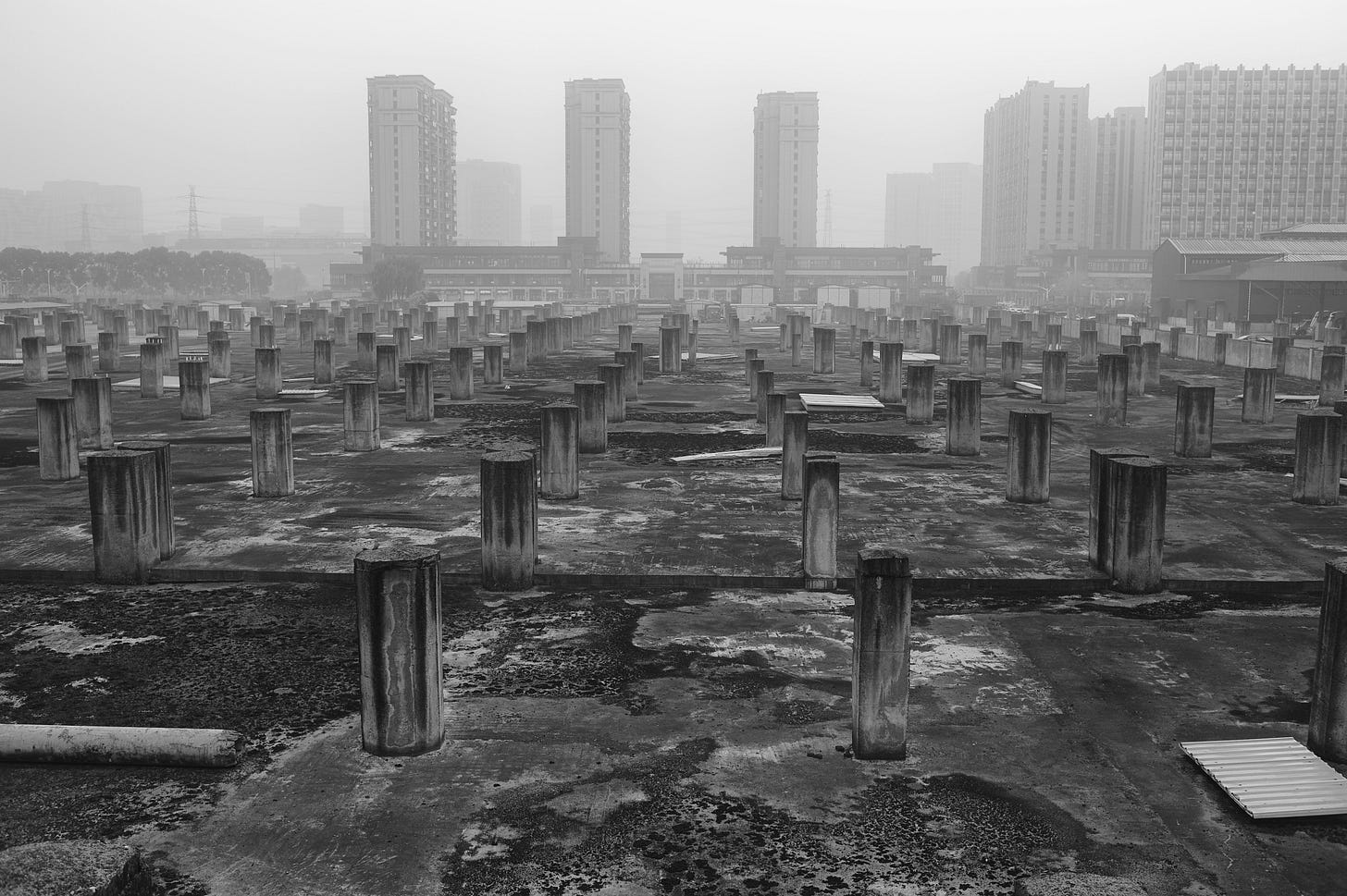
You still hear this one all the time. Many who fancy themselves a prepper spend their nights and weekends scouring Zillow for bugout locations. They whisper about the awful things that’ll happen in densely populated areas.
They never stop and think about the real threat of living out in the middle of the woods all by yourself. It doesn’t take roving bands of hungry city slickers to kill you. It only takes a handful of bad hombres.
The woods are full of them.
Last year, someone told me the horror story of a couple who moved out to a rural area precisely to get away from the looming threats of city life while living on the land and building a little collapse haven for themselves.
It didn’t go so well.
Just like there’s a bad side of town, there’s also a bad side of the country. The couple unwittingly moved right into the middle of it. Locals started vandalizing their property. Late at night, ghostly cries echoed through the wildness, telling them to get out, they didn’t belong here. The sheriff couldn’t do anything. (Or wouldn’t do anything.) He kindly informed them that there was just something “wrong with the folks who lived around there.”
The prepper couple was…
Trapped.
Something similar happened to my uncle. Despite owning a hundred acres of undeveloped land, a prepper’s paradise, he lives in fear of the trailer park that sits across the road from the entrance to his property. Methheads trespass all the time. Sometimes, he wakes up to find them staring at him through the windows. He believes that one day, someone is going to try to kill him.
So…
These two anecdotes punctuate something you learn when you actually study the history, ecology, and psychology of collapse. Technically, you’re no safer out in the country than you are in the city. In some ways, you’re even more vulnerable out there. You’re cut off from help. You’re cut off from supply chains. You live further away from whatever is left of civilization when it crumbles. You’re not escaping anything. You’re simply trading one set of risks for another.
This notion of cities becoming death traps stems from a deep misunderstanding of how ordinary people act during disasters. Contrary to what the movies show, and what the mainstream media likes to amplify, people tend to remain incredibly calm—almost too calm. Studies confirm that most of us are far more likely to downplay and ignore threats, and we want to pretend things are normal.
Look at histories of famine across the world, in Ireland, India, China. Mass violence didn’t ensue. What actually happened? Opportunistic crime exploded. People did murder and eat each other, but they did it on the sly. You were far more likely to be killed and slaughtered by someone you knew than a horde of hungry strangers. I’ve encountered no historical accounts of that.
Meanwhile, everyone invested immense effort in maintaining the illusion of normalcy. They even told each other to cheer up.
That is documented.
It happened.
If you live in one of the areas marked for doom by some armchair survivalist, stop worrying. Stop feeling like you have to move, or that there’s no point in doing anything because you live in a downtown studio apartment.
There’s plenty you can do.
In a collapse scenario, other people become a double-edged sword. You need them to survive, but the wrong kind of people will jeopardize your health and safety. They don’t even have to be malicious.
They could just be careless.
There’s no right or wrong place to be as society unravels. You simply have to develop different approaches depending on where you choose to stay. If you feel stuck in a densely populated urban area, then your survival depends on making contacts and connections. Build networks. Build warehouse gardens. Build basement cooling centers. Build water generators and rooftop solar installations. Form your own patrol groups and repair teams. You’re going to do that by talking about things like resilience and sustainability, urban gardens, and disaster preparedness networks. If you lead with “the world is ending,” that’s going to scare away a lot of folks who haven’t fully awoken quite yet, but could still be useful.
Living in a city isn’t a death sentence.
It’s an opportunity.
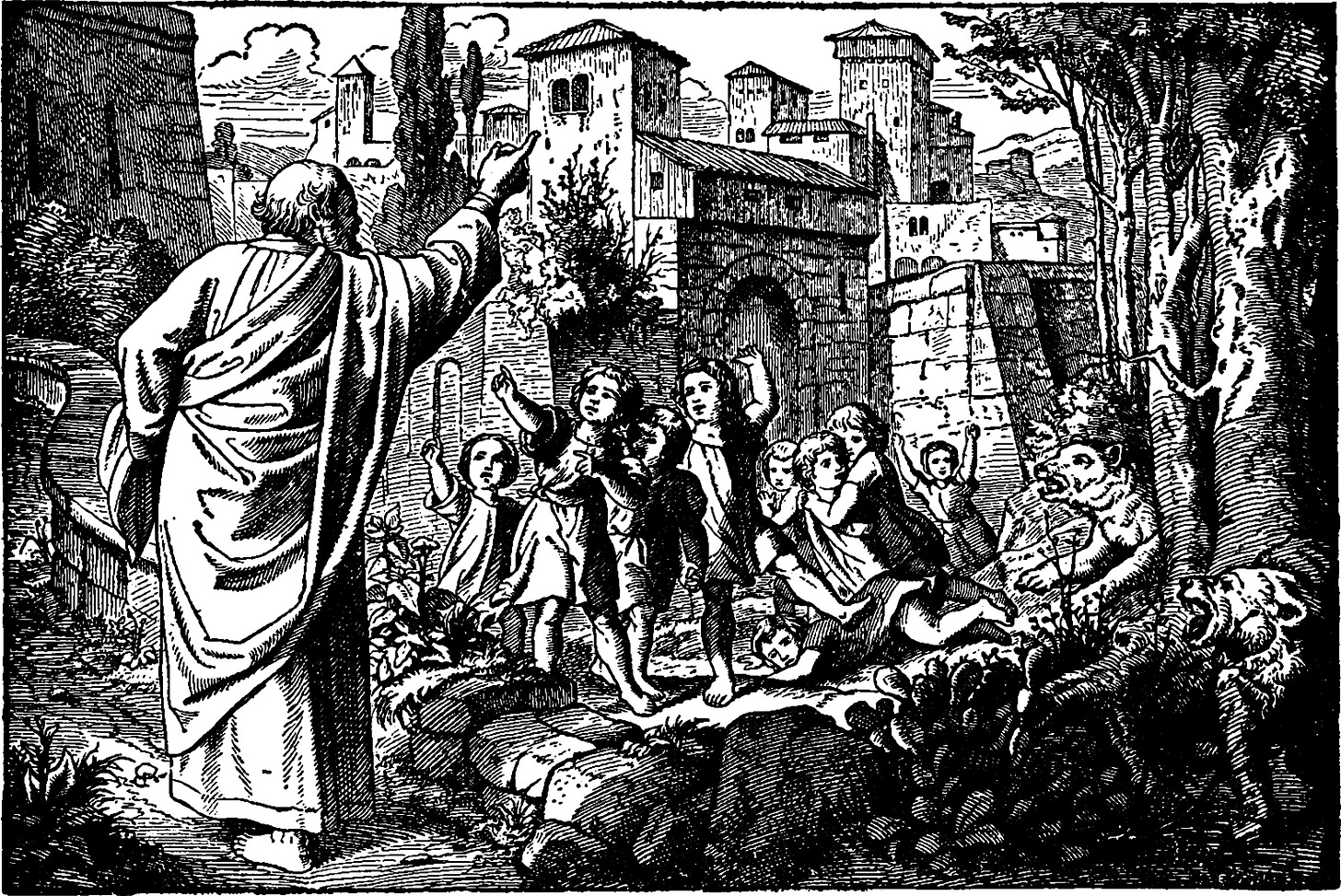
So, some dude gave you a calendar date for the collapse.
How nice of them…
Those predictions go viral because they offer everyone what they want most, a sense of certainty in an unpredictable world.
Here’s the thing: If you want to become truly collapse aware, truly resilient, and truly reliable in an emergency, then you have to dispense with the notion that you’ll know when or how the doom is coming.
Case in point: Nepal.
In reality, there’s absolutely nothing to stop nature from wiping you off the face of the earth. Watch the videos of the glacier collapse. They’re chilling because they reveal the true power of the crisis. It’s entirely possible that you and I both end up in a catastrophic disaster like that, something so intense and overwhelming that it negates all of our plans. In order to live in this new world, you have to do something that most of the internet prophets won’t talk about:
You need a tolerance for uncertainty.
You can’t predict exactly what’s going to happen or when. You can’t just put a bunch of food buckets on a credit card and blow off the bill by telling yourself it won’t matter because the financial industry is going to collapse, and all debt is going to be rendered worthless. That’s not an actionable plan.
That’s simply apocalyptic thinking.
Apocalyptic thinking is a lot like wishful thinking. It’s just that instead of lying to yourself that everything will be fine, you lie to yourself that you’ll make it through a finite disaster unscathed while everyone else perishes, leaving you to inherit the diminished earth. That’s not how it works.
It’s not even close.
There’s no need to tune out the news. You’re better off staying informed. But you should also read scientific reports and articles. Read history and psychology. Truly educate yourself on what’s happening and why.
Keep an open mind.
Learn new things.
Live.
Above all, don’t get too absorbed in trying to predict exactly when a famine or a financial collapse is going to happen. It’s not good for your mental health. (I’ve been there.) It’s also not good for your bank account.
The more you read, the more you pay attention, the more you learn that we’re all still guessing what’s going to happen. We have a good idea, but it’s not a movie script. It could happen this year, or next, or 2030. Different disasters are going to impact different places at different times in different ways.
It doesn’t have to get as bad as a Mad Max movie in order to completely upend your life. Talk to someone who survived a wildfire. Talk to someone still dealing with the aftermath of Hurricane Helene. Some of them lost everything, and it didn’t take a famine or a worldwide financial collapse.
You should definitely be building networks and putting systems in place, but it’s not a sprint. It’s not a race. It’s a commitment.
There’s no hard deadline for you to have everything in place. You’re going to have to balance all this with your other responsibilities. In some ways, that’s exactly what makes all of this so hard sometimes.
Be steady about it.
If you actually tried to do half the things recommended out there, you would quickly learn that most of their plans don’t work.
They just sound good.
That’s one of the biggest problems with the internet. If something sounds good, it doesn’t matter if it’s accurate or rooted in evidence. It will spread. And so, millions of westerners think they’re going to survive the apocalypse because they have a few food buckets and a barrel of water. They think they’re going to hunt squirrels or fish in a lake near a city with tens of thousands of residents who all have the same idea. This is a recipe for disaster within a disaster.
They think they have to protect themselves from some imaginary horde of starving civilians, or they think they need to know the exact time and place the apocalypse will begin, or they think they need the perfect cabin in the woods to escape civilization, and that’s where they put their energy.
We have a name for all this mindset:
They’re self-fulfilling prophecies.
Someone who engages in this logic isn’t actually doing anything productive to prepare for any kind of longterm emergency or dystopian future. They are, in fact, doing things that make them worse off in the long run. They’re simply feeding an industry that wants to exploit their fears.
Instead, they could be figuring out where and how they could actually grow food, even in downtown areas. They could be learning about Ron Finley and his urban growing projects. They could be installing actual systems and building real networks that could help themselves as collapse accelerates. If you want to survive, you have to stop fantasizing about a cabin full of food buckets and start building your salvation where you are, not where you want to be.
All this would be a lot more interesting if you were the main character in the preface to an apocalyptic novel where you were assured to “make it” if you followed the plot and did all the things you were supposed to do. It would be easier to swallow our dystopian future if we could at least know whether or not we’d have to keep showing up to our lousy jobs, for how long, while watching this lousy charade of a political system continue to wobble on with no end in sight.
It would be nice if the government collapsed. It would be nice if the banks collapsed. It would be nice if some major disaster happened that was just bad enough that it motivated everyone to start growing food in their back yards, but not so bad that it actually starved us all to death.
In some ways, that wouldn’t be a disaster at all.
It would be liberating.
Unfortunately, we aren’t the main character in an apocalyptic novel. There’s no ending written for us. We have no idea what’s actually going to happen to our systems and institutions as the heatwaves, droughts, floods, and storms get worse. We have an educated guess, and that’s the best we can manage. There’s also no guarantee that we’ll do all this, and the metaphorical equivalent of a glacier doesn’t come crashing down on our heads with all the force and indifference of nature and consequences, rendering it all meaningless anyway.
We’re preparing for the things we can’t predict.
Will it be fire, or ice?
Just remember, the point of the blooming survival industry isn’t necessarily to help you survive. It’s to make money off your desire to, while perpetuating all the same toxic mindsets and attitudes that got us here.
Stay smart.
Sentinel Intelligence is a reader-supported publication that also receives funding from organizations like the Alfred Kobacker and Elizabeth Trimbach Fund. You can offer one-time support here. To receive new posts and support this work on a more regular basis, consider becoming a free or paid subscriber.
Escape wishful thinking.